
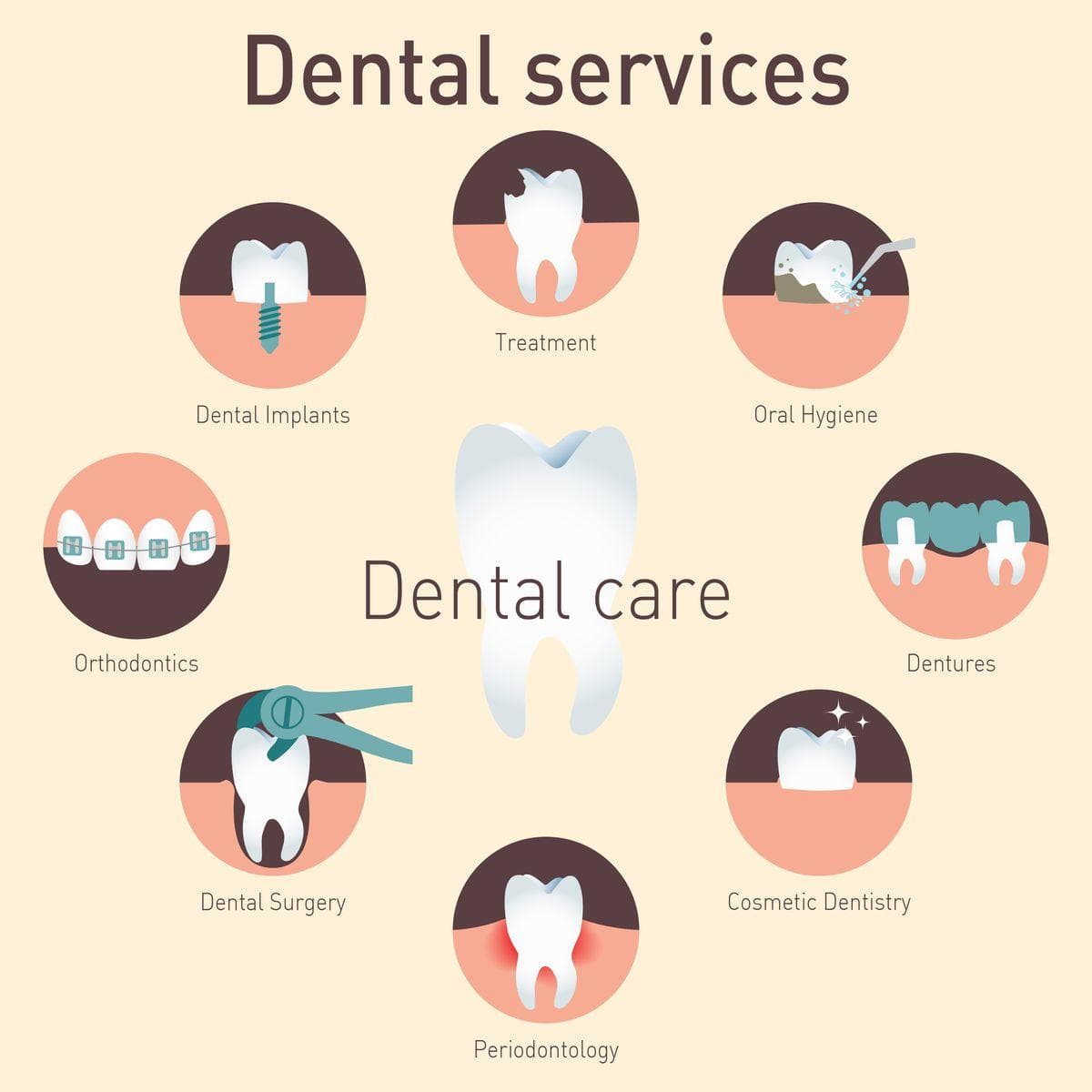
How Foreign Patients Should Compare Clinics Before Booking
A practical guide to comparing the clinic, the doctor, the total price, and the aftercare plan—not just the advertisement.
Finding a dentist in Seoul is not difficult. Choosing the right clinic for your treatment is the harder part.
1. Start With the Treatment You Need
Before comparing clinics, define what you are looking for as clearly as possible.
A clinic that is excellent for routine cleanings and whitening may not be the best fit for dental implants, complex crowns, full-mouth rehabilitation, or cosmetic smile design.
Different treatments require different combinations of experience, equipment, laboratory support, materials, and follow-up care.
- Cleaning or whitening: Look for convenient scheduling, clear communication, transparent pricing, and good hygiene protocols.
- Veneers or smile design: Review the doctor’s cosmetic cases, treatment philosophy, tooth preparation approach, and laboratory quality.
- Dental implants: Ask about surgical experience, implant planning, bone grafting capabilities, implant components, and long-term maintenance.
- Crowns or full-mouth treatment: Evaluate the doctor’s experience with complex bite planning, temporaries, laboratory communication, and follow-up care.
- Emergency treatment: Confirm whether the clinic can provide same-day diagnosis and whether additional visits may be required.
Start by comparing clinics that regularly provide the specific treatment you need. Comparing a whitening-focused clinic with an implant-focused clinic is rarely useful, even if both appear under the same search results.
2. Consider the Clinic’s Location
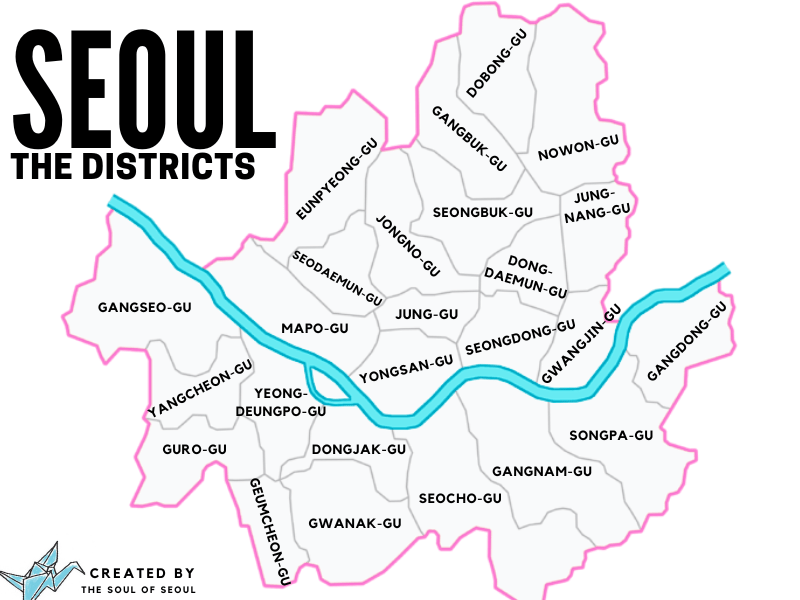
Seoul is a large city, and transportation time can become important when treatment requires several appointments.
If you have already booked your hotel, begin by searching for clinics that are reasonably accessible from your accommodation. If dental treatment is the main purpose of your trip, it may make more sense to choose the clinic first and arrange accommodation nearby.
Many clinics serving international patients are concentrated in areas such as:
- Gangnam and Seocho
- Myeongdong and central Seoul
- Hongdae and Mapo
- Jamsil and Songpa
Seoul government data also shows that a large proportion of international patient visits are concentrated in Gangnam, Seocho, Mapo, Jung, and Songpa districts. Seoul Metropolitan Government
Location should not be the only deciding factor, but it matters when you need scans, consultations, treatment, adjustments, or follow-up appointments on different days.
Ask the clinic how many visits are normally required and whether the proposed schedule is realistic within your travel dates.

3. Do Not Choose on Price Alone
Dental prices in Seoul can vary significantly depending on the doctor, treatment complexity, materials, laboratory work, location, and clinic model.
Large, high-volume clinics may offer lower prices because they treat more patients and use standardized workflows. Smaller or doctor-led clinics may charge more because they allocate more time to diagnosis, treatment planning, communication, and follow-up.
Neither model is automatically good or bad. The important question is whether the clinic’s workflow matches your expectations and the complexity of your treatment.
Be cautious of clinics that advertise the lowest prices in the market. A low fee does not necessarily mean poor care, but consistently high-quality treatment requires adequate time, skilled professionals, reliable materials, and proper follow-up—all of which carry real costs.
At the same time, a high price is not proof of superior quality. Expensive branding, luxury interiors, and large marketing campaigns do not guarantee better treatment.
Instead of asking only, “Which clinic is cheapest?” ask:
- What exactly is included?
- Who will perform the treatment?
- What materials will be used?
- What happens if adjustments are needed?
- Is follow-up care included?
- Are there any circumstances in which the price may increase?
5. Evaluate Communication Before Booking
For foreign patients, communication is part of treatment quality.
An English-speaking coordinator can make scheduling and logistics much easier. However, important clinical information should also be communicated clearly by the treating doctor or accurately interpreted by a qualified coordinator.
Before paying a deposit, check whether the clinic can clearly explain:
- Your diagnosis
- The recommended treatment
- Reasonable alternatives
- The advantages and limitations of each option
- The number of appointments required
- The recovery timeline
- Possible complications
- What follow-up will be needed after returning home
Whenever possible, ask for the treatment plan and quotation in writing.
If the clinic gives confident answers about price but vague answers about the diagnosis, materials, doctor, or aftercare, consider that a warning sign.
6. Review Relevant Cases Carefully
Before-and-after photos can be useful, particularly for veneers, crowns, implants, orthodontics, and smile design. However, photographs should not be the only reason you select a dentist.
When reviewing cases, consider:
- Whether the cases are similar to your condition
- Whether the results appear consistent
- Whether the clinic explains the treatment performed
- Whether the cases belong to the doctor who will treat you
- Whether long-term follow-up is shown
- Whether the photos appear realistic rather than heavily edited
A large social media following may indicate effective marketing, but it does not independently verify clinical quality.
Ask the doctor why a particular treatment is appropriate for you rather than expecting the same result as another patient.
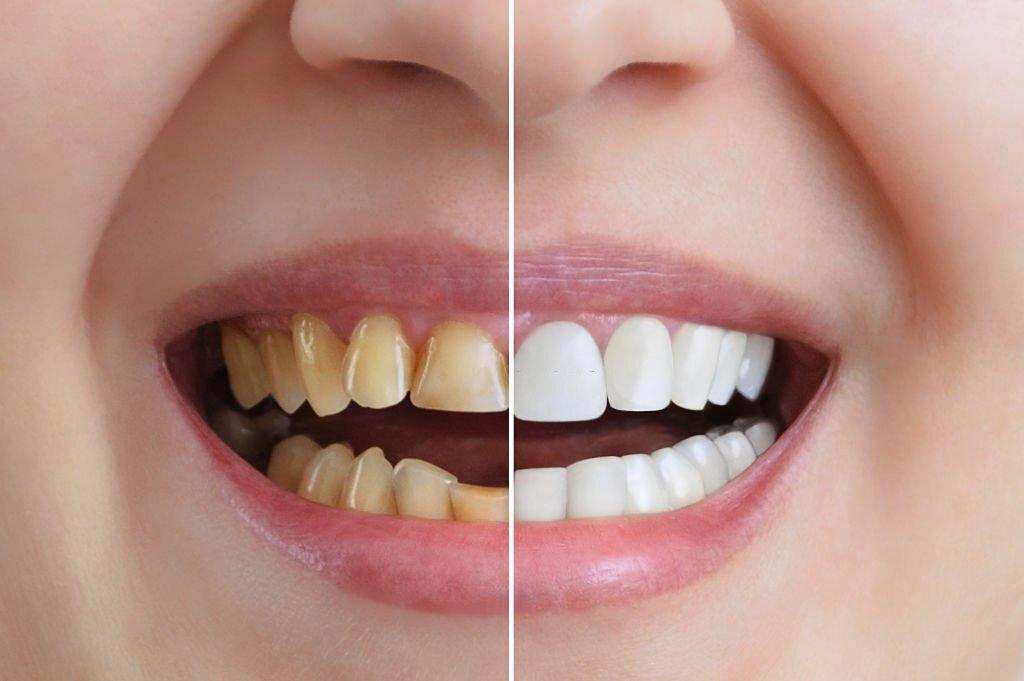
Note: The example above is obvious exaggeration, but some can be hard to tell !
7. Check the Clinic’s History and Aftercare Policy
Dental treatments such as veneers, crowns, and implants may require future maintenance or adjustments. This makes the clinic’s continuity and aftercare policy especially important for international patients.
A clinic’s age alone does not guarantee quality. However, a clinic that has operated consistently for many years may provide useful evidence of stability, community trust, and long-term patient relationships.
Ask:
- Will the treating doctor remain responsible for follow-up?
- Is there a written warranty or aftercare policy?
- What happens if a problem occurs after you leave Korea?
- Can the clinic communicate with your dentist at home?
- Will you receive copies of scans, X-rays, treatment records, and material information?
A warranty should not replace proper diagnosis or treatment quality. Still, the clinic should clearly explain how it handles complications, repairs, and follow-up requests.
8. Prioritize Materials and Clinical Systems Over Interior Design
A clean, comfortable clinic is important. However, you are visiting for dental care—not a hotel stay.
Patients often focus on reception areas, décor, refreshments, and other visible details because these are easy to evaluate. The quality of the materials, laboratory work, sterilization systems, and treatment planning may matter much more, even though they are less visible.
Depending on the treatment, consider asking:
- What restorative or implant materials will be used?
- Are original and compatible components used?
- Which dental laboratory produces the crowns or veneers?
- How does the doctor communicate with the laboratory?
- Are digital scans or conventional impressions being used, and why?
- How are materials and components documented?
- Will you receive the relevant product or implant information?
Modern equipment can support good treatment, but technology is only a tool. The result still depends on diagnosis, planning, clinical judgment, and the doctor’s hands-on skill.
9. Look for Evidence of Trust Beyond Online Reviews
Online reviews can help you identify common patterns, but they should be interpreted carefully.
A few negative reviews do not necessarily mean a clinic is unsafe, just as hundreds of perfect reviews do not prove that every patient will receive excellent care.
Where possible, look for several forms of evidence:
- Referrals from previous patients
- Long-term local reputation
- Consistent treatment results
- Transparent doctor profiles
- Clear answers during consultation
- A history of caring for both Korean and international patients
In Korea, many patients still choose dentists through recommendations from family, friends, and other healthcare professionals. A clinic that has treated local families across several generations may have a different kind of credibility from a clinic built mainly around short-term advertising.
10. Verify International-Patient Registration
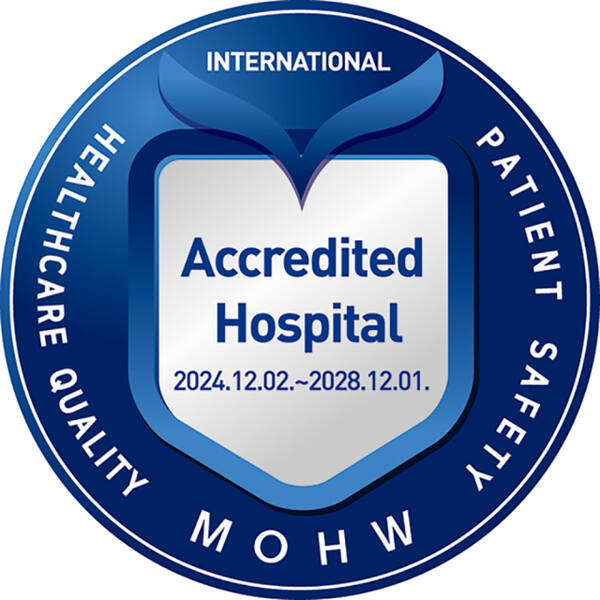
If a clinic actively markets or arranges treatment for patients coming from overseas, ask whether it is registered as a medical institution serving foreign patients.
Medical Korea explains that Korea operates a registration system for institutions serving international patients. Registered institutions are also required to maintain medical malpractice liability coverage that includes foreign patients. Medical Korea registration system
Registration does not guarantee that a particular dentist or treatment is right for you, but it is a useful basic verification step.
Questions to Ask Before Booking a Dentist in Seoul
- Does the clinic regularly provide the treatment I need?
- Who will plan and perform my treatment?
- What relevant training and experience does the doctor have?
- Can I communicate directly with the doctor in English?
- How many appointments will I need?
- Can the treatment be completed safely within my travel schedule?
- What exactly is included in the quotation?
- Could additional fees arise after examination or scanning?
- What materials, brands, or components will be used?
- What follow-up care is included?
- What happens if I experience a problem after leaving Korea?
- Can I receive my scans, X-rays, treatment records, and product information?
- Is the clinic registered to serve foreign patients?
- Is a deposit refundable if the treatment plan changes after examination?
Red Flags to Watch For
Be cautious if a clinic:
- Pressures you to pay before providing a clear treatment plan
- Focuses almost entirely on discounts
- Will not identify the treating doctor
- Refuses to provide an itemized quotation
- Guarantees a result before completing an examination
- Cannot explain alternative treatment options
- Avoids questions about materials or implant components
- Promises an unrealistic timeline
- Has no clear policy for follow-up or complications
- Communicates well about payment but poorly about treatment
Final Thoughts
The best dentist in Seoul is not necessarily the dentist with the lowest price, the most luxurious clinic, or the largest social media following.
The right choice is the clinic where:
- The facility is appropriate for your treatment
- The doctor has relevant experience
- Communication is clear
- The quotation is complete
- The materials and clinical systems are reliable
- The follow-up plan works for an international patient
Compare the clinic, the doctor, and the total price together. When all three parts of the triangle make sense, you are more likely to find care that fits both your treatment needs and your travel plans.
Medical disclaimer: This article is provided for general informational purposes and does not replace an examination, diagnosis, or personalized treatment plan from a licensed dental professional. Clinic services, fees, staff, language support, and registration status may change. Verify all information directly with the clinic and relevant official sources before booking.
Editorial disclosure: ORA Korea does not rank a clinic solely based on advertising fees, discounts, or promotional claims. Any clinic profile or recommendation should be evaluated using transparent criteria, including doctor qualifications, treatment relevance, communication, pricing clarity, and follow-up care.