

Dental cleaning and scaling are usually the lowest-friction way to try a Korean dental clinic. It is quick, practical, and honestly one of the better "small tests" before you trust a clinic with whitening, veneers, aligners, crowns, or implants.
But scaling is not just a cosmetic buff. It is the appointment where the quiet stuff gets checked: tartar, bleeding gums, gum pockets, old filling edges, early cavities, bite wear, and the areas your toothbrush keeps pretending it can reach.
Why tartar matters
Plaque is the soft bacterial film that builds up on teeth. Brushing and flossing can remove plaque.
Tartar, also called calculus, is plaque after it hardens. Once it gets to that stage, it is not coming off with heroic brushing, a new electric toothbrush, or a motivational TikTok. It needs professional instruments.
That is why bleeding gums are worth taking seriously. Common, yes. Normal, not really.
NIH MedlinePlus reports that more than 42% of U.S. adults over 30 have some form of gum disease, and the rate approaches 60% for adults 65 and older. The point is not to panic. The point is that gum health is one of those quiet things that deserves routine maintenance.
What happens at the appointment
A typical cleaning or scaling visit may include:
- A quick exam and medical/dental history check
- Gum screening, and sometimes periodontal pocket measurements
- Ultrasonic scaling, which uses vibration and water to break up tartar
- Hand scaling for the small detail work
- Polishing and flossing
- X-rays or photos if the clinic wants a clearer baseline
- Home-care advice that should be specific, not just "floss more"
It is not supposed to feel like a spa facial. It also should not feel like punishment. Most people feel vibration, water spray, scraping, and maybe a few zings around sensitive areas.
Regular cleaning vs deep cleaning
A routine cleaning is maintenance.
Scaling and root planing is gum disease treatment.
The ADA describes scaling and root planing as a deep cleaning below the gumline. Scaling removes plaque and tartar from above and below the gumline. Root planing smooths the tooth roots so the gums can heal more predictably.
That deeper version may take more than one visit and may require local anesthesia. In plain English: if the dentist starts talking about pockets, bone loss, or root planing, you are no longer in simple polish-and-go territory.
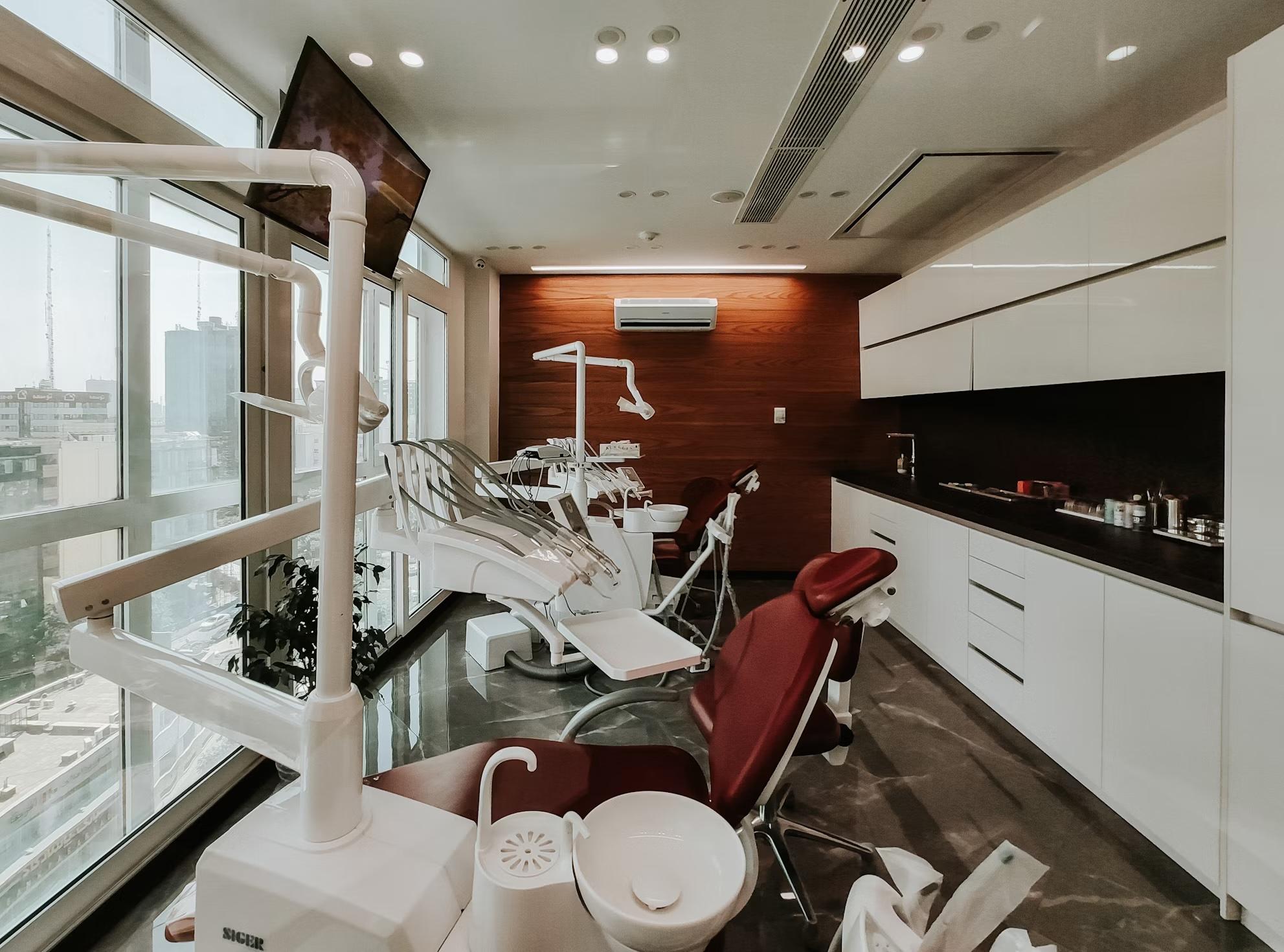
Price and insurance in Korea
This is one reason Korea is interesting for dental care: scaling is treated like basic preventive care, not some mysterious luxury add-on.
Korea expanded national health insurance coverage for preventive dental scaling in 2013. Research on the policy describes once-yearly scaling coverage for adults, and later eligibility expanded to adults 19 and older.
If you are enrolled in Korean National Health Insurance, covered scaling is generally available once per calendar year. You still pay a copay, and the exact amount depends on eligibility, clinic type, and whether anything beyond basic scaling is added.
If you are a visitor, not enrolled in NHIS, or booking a cosmetic-style cleaning, ask for the private (not insured) price before you sit down. A routine scaling/cleaning in Seoul is often around KRW 50,000-150,000 (about USD $35-$105). Some clinics publish basic scaling closer to KRW 50,000-60,000 (about USD $35-$45), while international-facing clinic listings can be higher, around USD $50-$200, depending on the clinic, polishing or stain removal, and whether the visit includes an exam or imaging.
The confusing part is that "cleaning" and "check-up" are not always the same booking. An exam or consultation may be included, or it may be billed separately. A reasonable private-pay guide is KRW 20,000-60,000 (about USD $15-$45) for a dentist exam/check-up, with small X-rays or a panoramic X-ray sometimes added separately. That is why a patient who asks for "cleaning" and a clinic that hears "scaling only" can end up with different expectations.
In many Korean clinics, the dental hygienist may perform much of the scaling and polishing, while the dentist checks the diagnosis, X-rays, gums, cavities, and treatment plan. That can be completely normal. The important thing is knowing whether you are booking a hygiene visit only, or a cleaning plus dentist exam.
Before you sit down, ask for one clear total that includes cleaning/scaling, dentist exam or check-up, any X-rays, polishing or stain removal, and VAT if applicable. A cleaning should not quietly turn into a surprise treatment plan without explanation.
When cleaning is not enough
A basic cleaning may not be the right answer if you have:
- Bleeding that keeps happening after brushing or flossing
- Swollen or tender gums
- Persistent bad breath or a bad taste
- Gum recession or new sensitivity
- Loose teeth
- Deep gum pockets
- Bone loss on X-rays
- Heavy tartar below the gumline
That does not mean anything dramatic is about to happen. It means the appointment should shift from "make it clean" to "figure out the gum plan."
How often should you go?
The honest answer: it depends on your mouth.
A low-risk person with healthy gums may be fine with routine cleanings every 6 to 12 months. Someone with gum disease history, heavy tartar buildup, smoking, diabetes, braces or retainers, implants, dry mouth, or bleeding gums may need a shorter interval, sometimes every 3 to 4 months.
The best schedule is based on findings, not vibes.
How to make the cleaning actually last
Brush the gumline, not just the visible middle of the teeth. Use a soft brush and do not scrub like you are cleaning tile.
Clean between the teeth once a day. Floss is great for tight contacts. Interdental brushes can be better for gaps, black triangles, bridges, implants, or areas where floss feels useless.
If your gums bleed when you start flossing, do not immediately quit. Gentle daily cleaning often helps inflammation calm down, but bleeding that continues should be checked.
If you are planning whitening, veneers, bonding, aligners, or implants, do the cleaning first. A calmer mouth gives the dentist a clearer scan, cleaner margins, and better information.

For foreign patients
Cleaning is a surprisingly useful clinic vibe check.
You get to see whether the team explains findings clearly, shows you evidence, separates costs, avoids pressure, and gives advice that sounds like it was written for your actual mouth.
If a clinic cannot explain a simple cleaning clearly, that tells you something before you hand them your whole smile.
The takeaway
A cleaning will not give you brilliantly white teeth. But it gives you the map.
Cleaner gums, clearer X-rays, less inflammation, and a dentist who can actually see what is going on. Small appointment, big signal.
Sources and patient safety references
ADA MouthHealthy, Scaling and Root Planing for Gum Disease:
https://www.ada.org/sitecore/content/ADA-Organization/ADA/MouthHealthy/home/all-topics-a-z/scaling-and-root-planing
CDC, About Periodontal Disease:
https://www.cdc.gov/oral-health/about/gum-periodontal-disease.html
NIDCR, Oral Hygiene:
https://www.nidcr.nih.gov/health-info/oral-hygiene
NIH MedlinePlus Magazine, Gum Disease by the Numbers:
https://magazine.medlineplus.gov/article/gum-disease-by-the-numbers
Choi et al., Korean health insurance coverage for scaling:
https://pmc.ncbi.nlm.nih.gov/articles/PMC7698714/
Seoul dental exam cost guide:
https://www.dentalclinicgangnam.com/dental-exam
Korea dental treatment cost guide:
https://www.dentalclinicgangnam.com/services/dental-treatment-costs-in-korea
Smile View cleaning/check-up cost guide:
https://www.smileviewclinic.com/articles/dental-check-up-cost-korea-seoul-cleaning-price-guide
Bookimed Seoul teeth cleaning pricing:
https://us-uk.bookimed.com/clinics/country%3Drepublic-of-korea/city%3Dseoul/procedure%3Dteeth-cleaning/