
Cost & value
What dental work in Korea actually costs, and what changes the number.
Korea is often cheaper than the U.S. and Europe, but the headline price is only part of the story. This is the cost pillar: how implant, veneer, and full-mouth quotes are built, what should be compared besides price, and how to think about the true total once travel, time, and follow-up are included.
What are you actually paying for?
The message we get most often is some version of: I have a quote from my dentist at home and I need someone to tell me whether it is reasonable. Usually it arrives as a photograph of a treatment plan, occasionally with the total circled.
Ora does not review quotes or records. What follows is how to think about the number yourself, including the cases where Korea is the wrong answer. For a single crown it usually is; the flight eats the saving. Check any estimate this way before trusting it, the ranges on this site included.
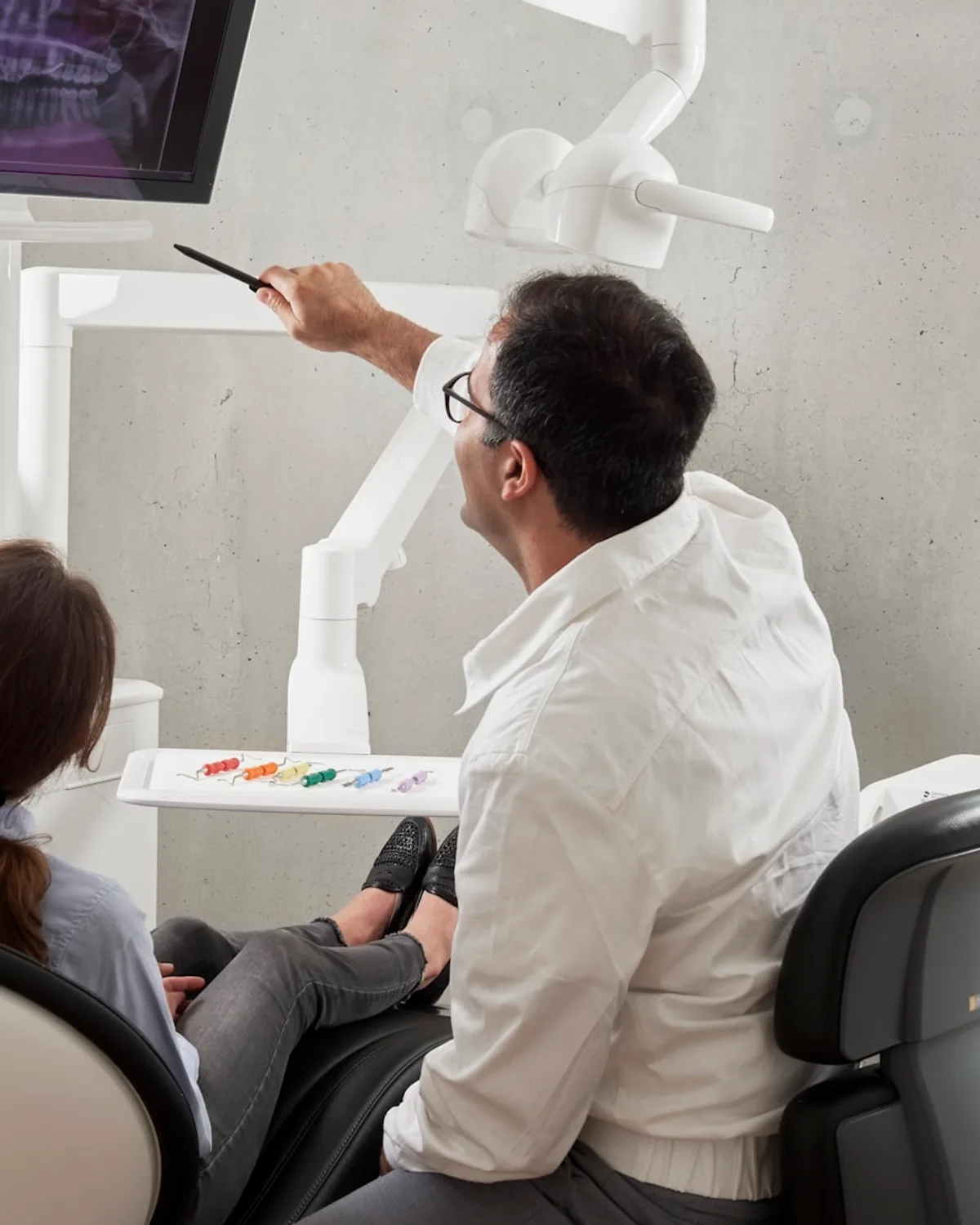
The headline price hides what is included.
A dental quote is rarely just a price for one procedure. It usually reflects the dentist's diagnosis, the number of teeth involved, the lab that will make the restoration, the materials being used, the number of appointments, and what the clinic includes after the work is done.
That is why two quotes for veneers, implants, or crowns can look wildly different even when they appear to describe the same treatment. One may include imaging, temporaries, custom shade work, or follow-up. Another may show only the surgical or chairside portion. Before comparing Korea with a local quote, the first question is simple: what exactly is included?
Cheapest is a risk, not a goal.
People often come to Korea because the numbers can be meaningfully lower. That is real. But the goal should not be to find the cheapest clinic in Seoul. Dental work is too permanent for that.
The better question is whether a skilled clinician, using appropriate materials and a clear plan, can deliver the same or better care at a more reasonable total cost. A low price without diagnosis is not a bargain. It is just an incomplete answer.

Think in total cost, not procedure cost.
A serious comparison includes treatment, flights, lodging, time away from work, local transportation, and any follow-up plan. For small cases, travel can erase the savings. For bigger cosmetic or restorative cases, the savings can still be large even after the trip.
Ora's role is to slow the decision down enough to make the math honest. If Korea makes sense, you should see why. If it does not, you should know that before you book a flight.

Dr. Hosan Park
Head Dental Advisor, Ora
Doctor-led, not a sales desk
What to check before you choose a clinic.
Licence and credentials, sterilization, whose lab makes the restoration, and what happens if something goes wrong after you fly home. How to check each of them from a distance is in the trust guide.
Frequently asked questions
Is dental work in Korea really cheaper than in the US?
For most treatments, yes: implants, veneers and full-mouth cases typically come in well below US prices even after flights and a hotel. For a single crown or filling the saving is small and the trip usually eats it — the calculator on this site will say so.
Why do two quotes for the same treatment differ so much?
Because they rarely cover the same work. One may include imaging, temporaries, the lab, shade work and follow-up; another may show only the chairside portion. Ask what each quote includes before comparing the two numbers.
What should a comparison include besides the price?
Treatment scope, materials and implant or ceramic brand, who the clinician is, the number of appointments, the follow-up plan, and the trip itself: flights, lodging, time off work and local transport.
Does Ora publish exact prices?
Ora publishes typical ranges from Seoul clinics and medical-travel guides, marked as ranges, never quotes. Your figure depends on your case and is confirmed by a dentist after reviewing your records.