

I have noticed a pattern in the messages patients send me lately: they arrive already convinced about dental tourism in Korea, and what they are really after is permission. I would rather give them a framework, because Korea is the right answer for some cases and the wrong one for others.
Patients usually search for dental tourism in Korea because they want two things at once: a lower price and a result they can trust. Ora's view is more selective. Korea can be a strong option, but only when the plan is clinically sound, the timeline is realistic, and the clinic can support an international patient after they fly home.
Why patients choose Korea for dentistry:
- Cost and value: scaling and root planing, whitening, implants, veneers, crowns, full-mouth plans can be meaningfully lower than U.S., Australian, or European pricing - see cost and value.
- Emphasis on esthetics: Seoul clinics often see patients who want natural-looking cosmetic work, especially veneers, whitening, smile design, gum-line refinement, and facially balanced results.
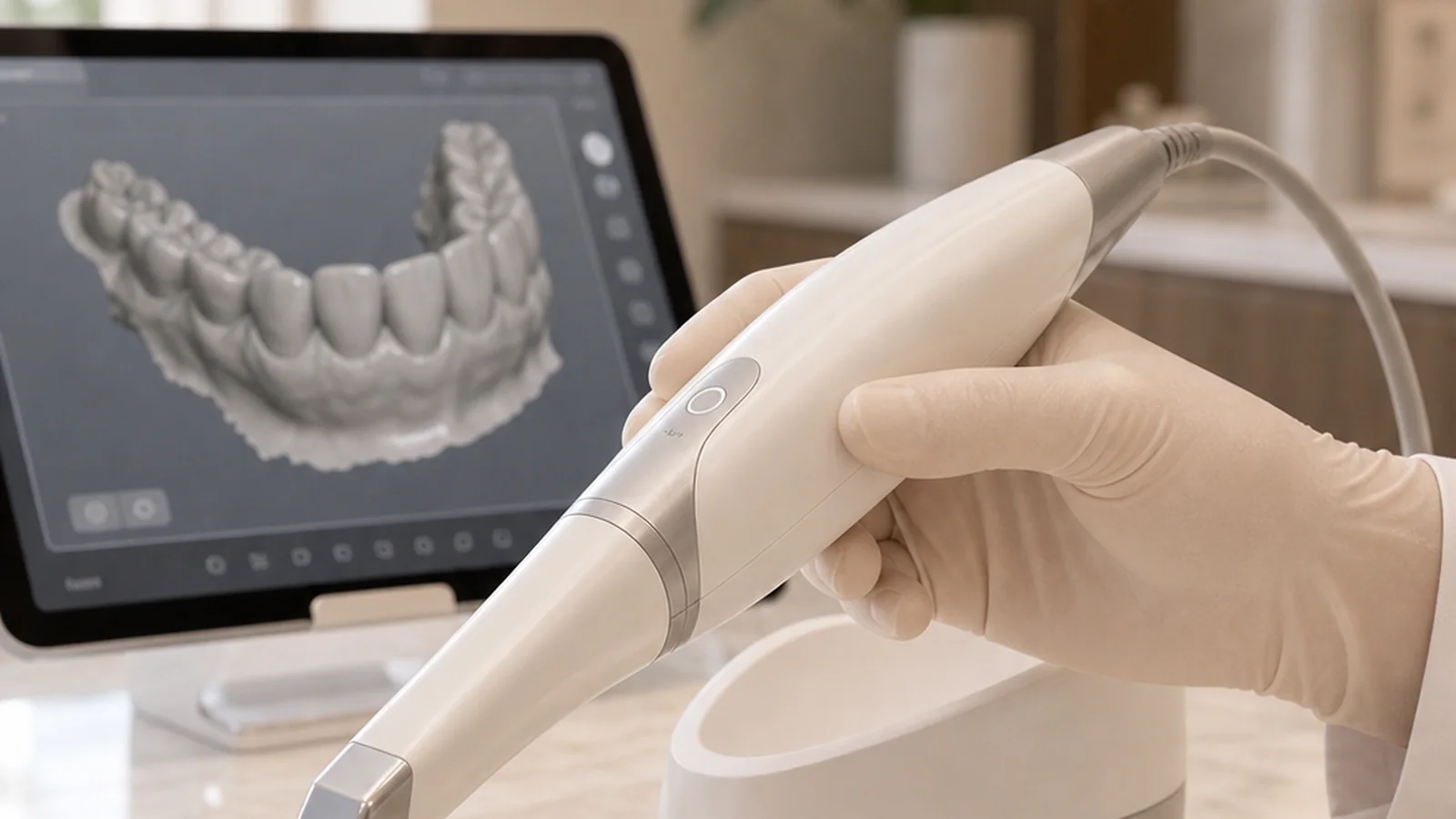
- Digital workflows: Many competitive clinics use CBCT imaging, intraoral scans, digital smile design, guided implant planning, and CAD/CAM lab communication. These tools can make diagnosis, planning, and communication clearer, especially for patients comparing treatment from abroad.
- Destination quality: Seoul is easier to plan around than many medical travel destinations, with strong transit, hotels, food, translation support, and recovery-friendly neighborhoods.
- Specialist access: In large dental markets like Seoul and Gangnam, patients may be able to find clinics focused on specific areas such as implants, prosthodontics, orthodontics, cosmetic dentistry, periodontics, or oral surgery. That can be helpful when the case needs more than general dental care.
- Strong clinic density: Seoul has a high concentration of dental clinics, which gives patients more options. This can be an advantage, but it also means patients need a better way to compare clinics responsibly instead of choosing only by price, advertising, or before-and-after photos.
- Medical tourism infrastructure: Korea has continued investing in international patient services, hospital/clinic registration systems, multilingual support, and medical tourism promotion. This does not guarantee every clinic is the right fit, but it means the country has more experience serving foreign patients than many newer destinations.
- Cultural attention to presentation: Korea’s beauty, skincare, and aesthetics culture often overlaps with dental demand. Patients who care about smile appearance may find clinics that are used to discussing details like tooth shape, shade, symmetry, gum line, and facial balance.
2026 context
Korea's official tourism materials reported more than 2 million foreign patients in 2025, a major increase from 2024. That growth is useful context, but it does not replace clinic-level vetting. A good dental trip is still decided case by case. A bad one can cost you more, and even more importantly, your health.
How to choose a clinic
Judge the diagnosis before judging the price. A safe clinic will want records, explain what can and cannot be known remotely, identify the doctor responsible for your case, and give you an itemized plan. Our full framework is in are Korean dentists good?. We are constantly working on including only vetted, trusted dentists in our Ora Korea Network.
How many days do you need?
A cleaning or whitening appointment may fit a short trip. Veneers often need consult, preparation, lab time, fitting, and adjustment. Implants depend on bone volume and whether immediate loading is appropriate. Traditional implants often require staged care with healing time between surgery and final restoration. An experienced dentist will be able to explain to you your case and timeline in a clear manner.
Korea vs other dental tourism destinations
Patients often compare Korea with China, Thailand, Turkey, Mexico, and Japan. Korea's strongest lane is Seoul-based dentistry for patients who value aesthetics, digital planning, predictable travel infrastructure, and communication support.
Ora's rule
Do not plan the dentistry around a flight deal. Plan the trip around the biology, lab timeline, and follow-up plan. That is the difference between a dental vacation and a responsible treatment plan.