Guide · Trust & quality
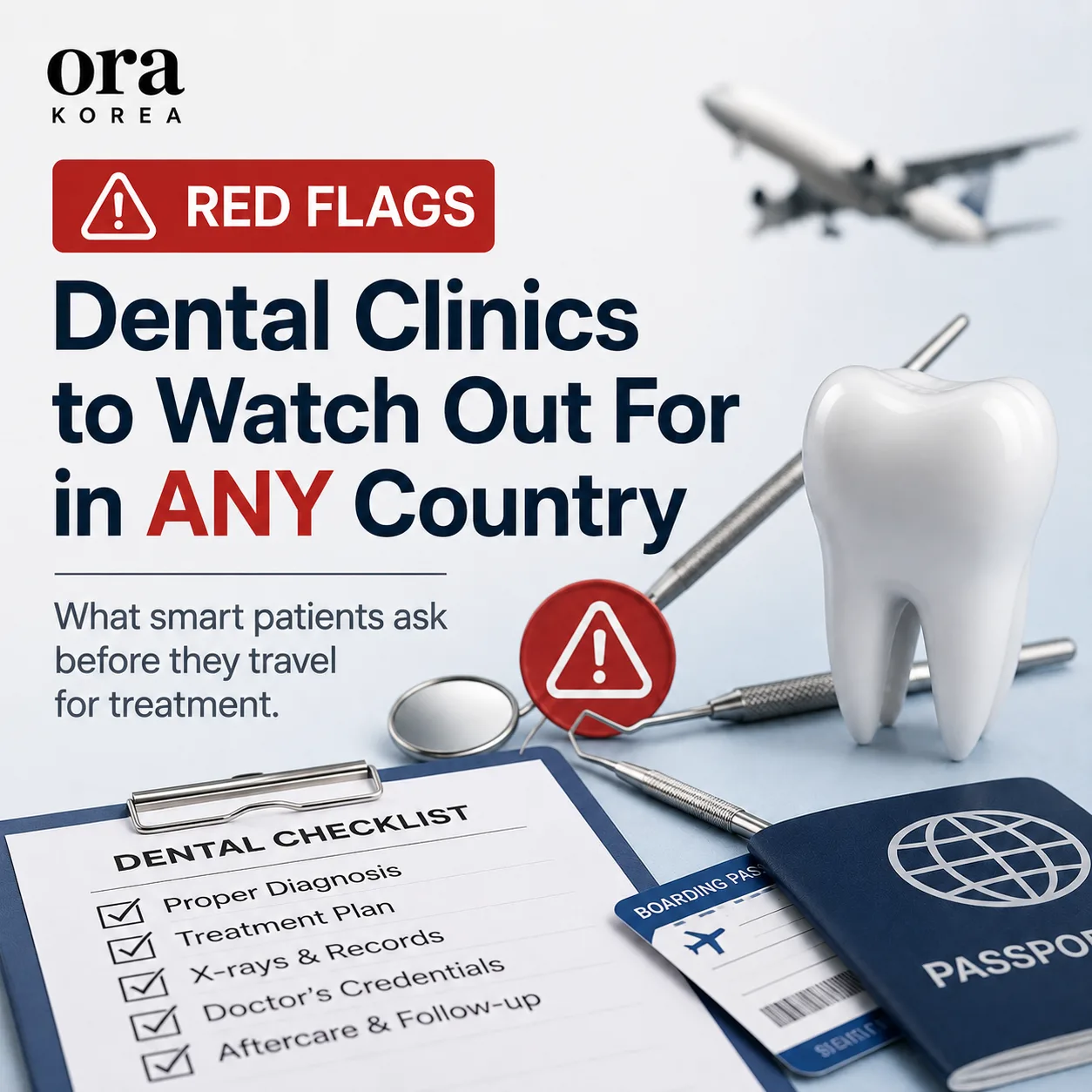
Dental Clinic Red Flags to watch out for in ANY country
Red Flags that apply to not only Korea, but every top dental tourism country

Written byDr. John Yoo
Updated August 2026
7 min read
The short answer
- Dental tourism in Korea is growing because patients see strong clinical skill, digital workflows, competitive pricing, and travel convenience.
- The biggest risk is not travel itself; it is making irreversible dental decisions before diagnosis, records, follow-up, and doctor responsibility are clear.
- A clinic that markets well is not automatically the best clinic, and a clinic with a low price is not automatically unsafe.
- Patients should compare what is included: exam, X-rays, CT, materials, doctor involvement, lab work, temporaries, aftercare, and record-sharing.
- If a clinic pressures you to decide quickly before reviewing your full case, treat that as a reason to pause.
Dental Red Flags that dentists want you to be wary of:
Korea is no longer known internationally only for dermatology and plastic surgery. Dental care is becoming part of the same medical travel conversation. Patients are comparing Korean clinics for implants, veneers, whitening, crowns, orthodontics, gum treatment, and emergency care because they see a mix of specialist access, modern equipment, efficient appointments, and competitive pricing.
Official Korean tourism and government sources reported more than 2 million foreign patients in 2025, across medical categories. That broader growth matters for dentistry because more people are now willing to fly for care that used to feel local-only.
But dentistry is not a spa service. A bad facial fades. A poorly planned veneer, implant, extraction, crown, or bite change can follow a patient for years. Some dental decisions are reversible, but many are not simple to undo. That is why the question should not be, "Is dental tourism in Korea good or bad?" The question should be, "Which clinic is safe for my specific case, and what evidence do I have before I book?"
Red flag 1: The clinic gives a final quote before seeing records
A clinic can give a planning range from photos or a message. That is normal. But a final treatment plan should not be locked before proper diagnosis. For implants, crowns, root canals, gum problems, and veneers, the dentist may need X-rays, 3D CT, bite evaluation, gum measurements, photos, and a medical history.
If a clinic promises a fixed result from a selfie, that is not confidence. It is missing information. Red flag 2: You feel rushed, embarrassed, or unable to ask questions
Patients sometimes ignore this feeling because they are traveling, nervous, or afraid of losing a promotional price. But patient care depends on communication. You should be able to ask basic questions without feeling like you are bothering the clinic.
A clinic does not have to be perfect. It does have to be clear enough for you to consent.
Red flag 2: You feel rushed, embarrassed, or unable to ask questions
Patients sometimes ignore this feeling because they are traveling, nervous, or afraid of losing a promotional price. But patient care depends on communication. You should be able to ask basic questions without feeling like you are bothering the clinic.
Red flag 3: A doctor does not provide your diagnosis
Foreign patients often communicate first with coordinators, translators, or managers. That is normal and can be helpful. But at some point, you should know which dentist is responsible for your diagnosis and treatment.
Red flag 4: The clinic sells speed before fit
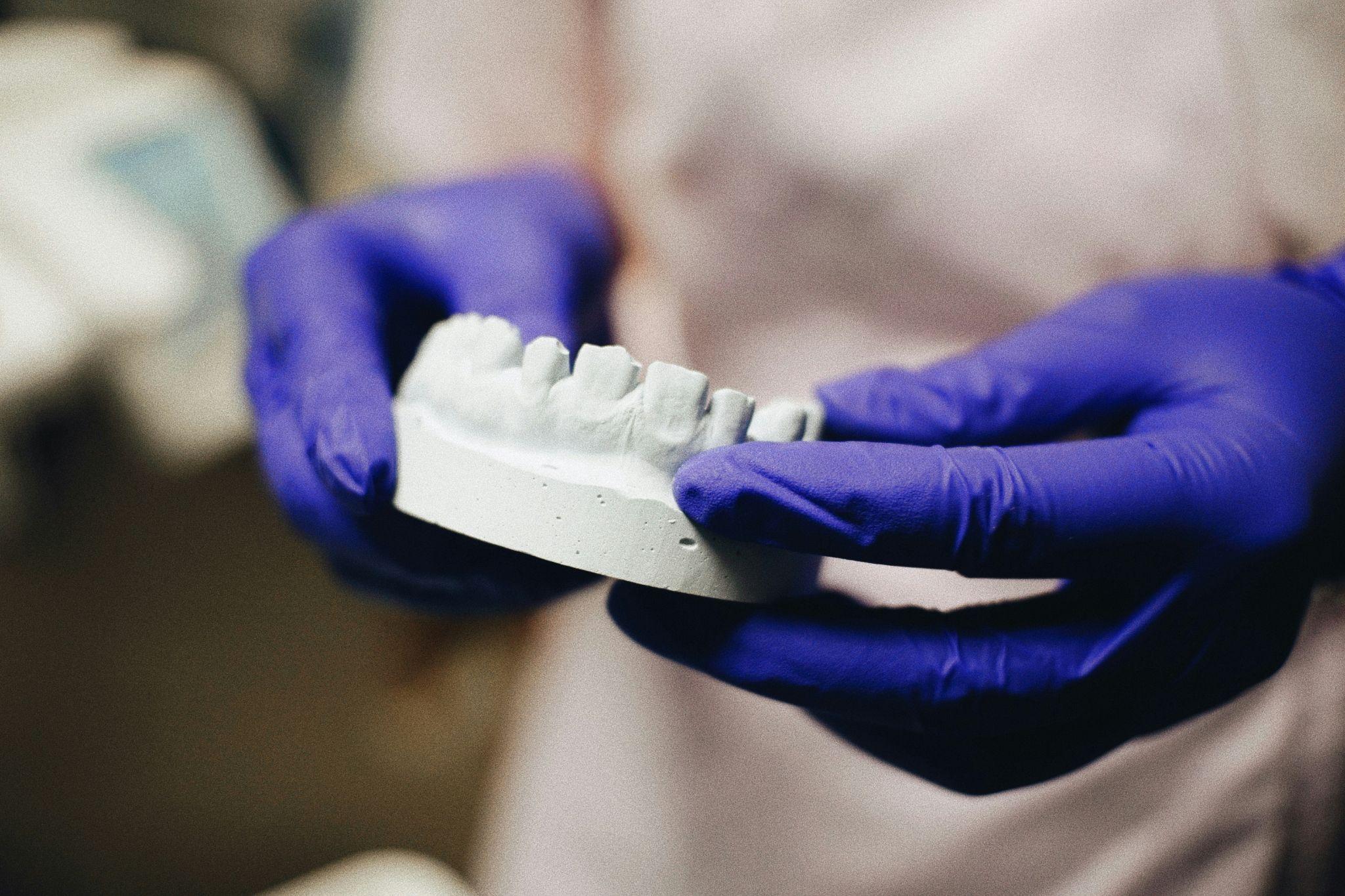
Fast care is one reason Korea can be attractive. Same-day scans, efficient labs, and digital workflows can genuinely shorten timelines. But speed should not become the main selling point for every patient.
A simple cleaning, whitening visit, filling, or bonding appointment may fit a short trip. A complex implant case, full-mouth veneers, gum disease treatment, bite reconstruction, or root canal plus crown may need more planning and follow-up.
If every case is promised as fast, your case may not be getting individual attention.
Red flag 5: The cheapest price is treated as the whole story
Korea can be more affordable than many Western markets, and promotional pricing can be real. Whitening promotions may start around KRW 100,000, roughly USD $73. Simple consultations, cleaning events, bonding promotions, and limited-time cosmetic offers can also look attractive.
But the cheapest number may exclude diagnostics, temporary restorations, premium materials, sedation, follow-up, or specialist involvement. It may also apply only to ideal cases.
Cheap is not automatically bad. Expensive is not automatically better. The real comparison is what the patient is receiving.
Red flag 6: The clinic does not explain material choices or treatment options
For veneers, crowns, fillings, and implants, materials matter. Ask what brand or material is being used, why it fits your case, and whether alternatives exist. For example, a zirconia crown, porcelain veneer, composite filling, ceramic inlay, or implant system is not just a price line. Each has different indications, aesthetics, durability, and repair considerations.
A good clinic should be able to explain why one option is recommended over another.
Red flag 7: There is no follow-up plan in place
This is one of the biggest dental tourism issues. A patient may love the result on the day of treatment, then notice bite discomfort, sensitivity, gum irritation, food trapping, or a temporary coming loose days later.
Ask what follow-up looks like if you are no longer in Korea and how they can provide support, such as providing you images or a summary of the treatment
Red flag 8: Reviews sound too simple for a complex treatment
Reviews can help, but they rarely tell the full clinical story. A five-star review may reflect kindness, English support, speed, or a pretty result on day one. Those things matter, but they do not prove long-term bite stability, implant integration, gum health, or crown margins.
Look for patterns: Does the clinic explain diagnosis? Do patients mention follow-up? Are complex cases handled by named doctors? Do reviews discuss care, not just price?

Red flag 9: The clinic skips medical history
Dental care can be affected by medications, pregnancy, diabetes, immune conditions, smoking, osteoporosis drugs, bleeding risk, allergies, previous radiation therapy, and anxiety. Even cosmetic care should not ignore health context.
If intake feels like a sales form rather than a medical form, slow down.
Red flag 10: The timeline does not match the biology
Some parts of dentistry can be fast because technology improved. Biology did not disappear. Gum inflammation needs time to calm. Implants often need healing and bone integration before final teeth are placed. Root canal cases may need more than one visit. Orthodontics takes months or years because teeth move through bone slowly.
A fast workflow is useful. A timeline that ignores healing is a warning sign. Ask if your timeline of visit is appropriate for your case.
What a stronger clinic comparison looks like
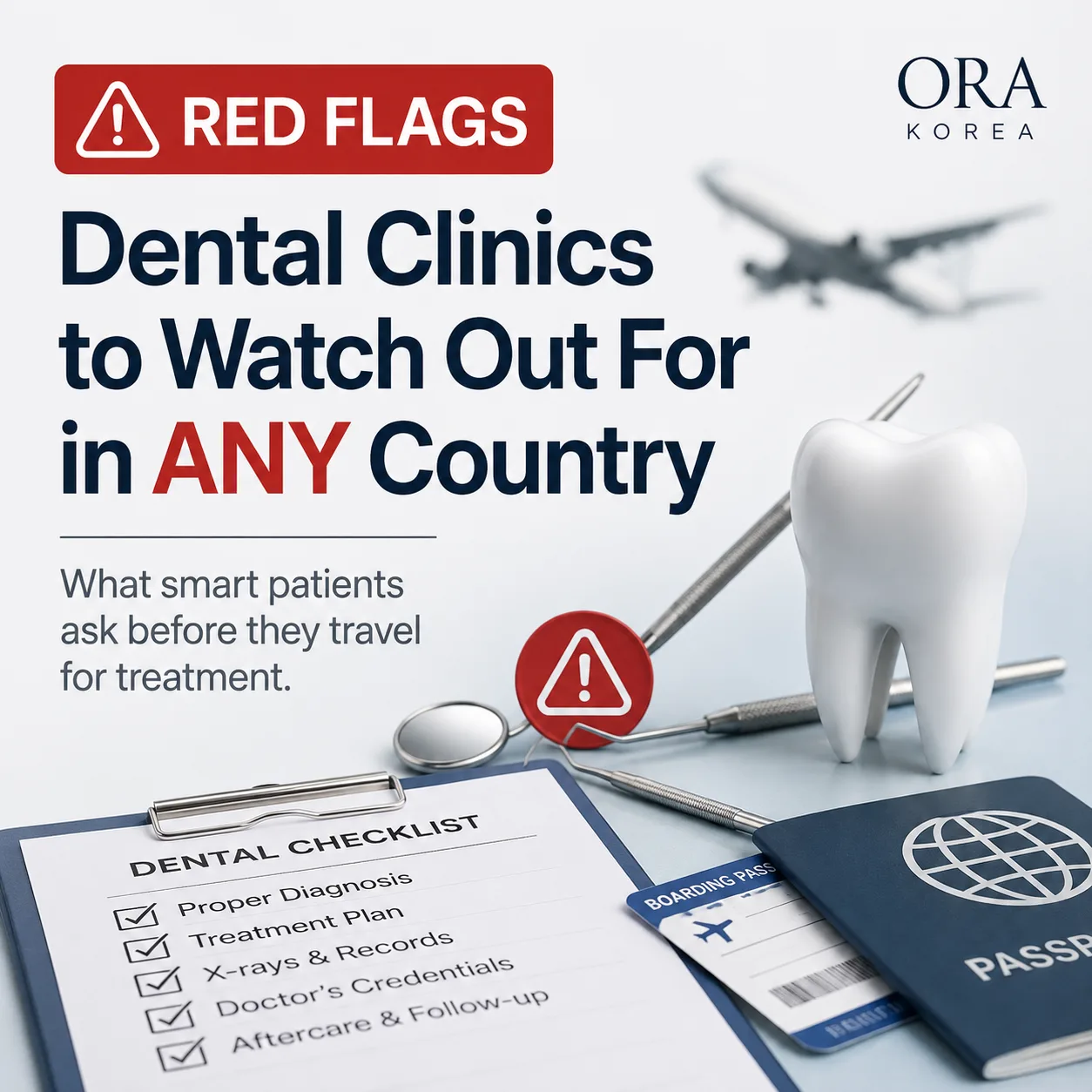
When comparing clinics in Korea, build a simple checklist. Ask for the diagnosis, treatment options, material options, timeline, doctor name, total cost range, possible add-ons, aftercare process, and records you will receive. If the clinic cannot answer everything before you arrive, that is okay. Some answers require an exam. What matters is whether they are honest about what is preliminary and what is confirmed.
Patients should also separate travel convenience from clinical fit. Location in Gangnam, English service, Instagram results, or a fast appointment can make the experience easier. They do not replace diagnosis.
How Ora Korea fits in
Ora Korea is not trying to scare patients away from Korean dental care. The opposite is true. We believe Korea has clinics that deserve more international trust and more international patients. We have also seen clinics with excellent dentistry but weak marketing, and clinics with strong marketing that do not always show the same care behind the scenes.
That gap is exactly why dental tourism needs better guidance. International patients are real patients with real teeth, real pain, real budgets, and sometimes irreversible treatment decisions. Ora Korea exists to help patients ask better questions before they choose, and to help the right Korean clinics be found for the right reasons.
FAQ
Is dental tourism in Korea safe?
It can be, especially when patients choose licensed clinics, receive proper diagnosis, understand the treatment plan, and have a follow-up strategy. The risk rises when patients book irreversible treatment based only on price, advertising, or a short online consultation.
How do I know if a Korean dental clinic is good for foreigners?
Look for clear English communication, named doctors, written plans, diagnostic imaging, transparent materials, realistic timelines, and aftercare support. A clinic should explain what can be decided before arrival and what must wait for an exam.
Should I trust dental tourism packages?
A package can be convenient, but it should not replace clinical judgment. Make sure the package explains the actual dentist, treatment steps, included diagnostics, materials, refund rules, and what happens if the plan changes.
Why are dental prices in Korea sometimes lower?
Competition, local manufacturing, high patient volume, digital workflows, and domestic lab access can reduce some costs. But lower price does not always mean the same service is included. Compare details, not only totals.
What is the biggest dental tourism mistake?
The biggest mistake is treating dentistry like a simple shopping decision. The right question is not only where treatment is cheapest. It is whether the diagnosis is complete, the plan fits your mouth, and someone is responsible for follow-up.
Sources used
Korea.net: Foreign Patients Surpass 2 Million in 2025
VisitKorea: K-Medical and Wellness
Found this useful?

Written by
Dr. John Yoo
Columbia-trained, U.S. based dentist guiding people who come to Ora with proper follow-up care, dentist to dentist communication, and long-term support.