Treatment guide · Trust & quality
One Day Veneer in Korea: Which CAD/CAM block Is Right for You?
One Day Veneer in Korea: Which CAD/CAM block Is Right for You?

Written byDr. Hosan Park
Updated August 2026
8 min read
The short answer
- There is no single “best” one-day veneer block. VITABLOCS Mark II has the fastest path from milling to polishing. Rosetta SM and IPS e.max CAD add a crystallization step but provide higher manufacturer-published flexural strength. All three can fit a same-day workflow when the case is suitable and the clinic has the equipment, time, and bonding protocol to do it properly.
EVIDENCE-CHECKED GUIDE FOR INTERNATIONAL PATIENTS
One Day Veneer in Korea: Which CAD/CAM block Is Right for You?
A clear, patient-friendly comparison of VITABLOCS Mark II, HASS Rosetta SM, and IPS e.max CAD — and what those strength numbers really mean for a same-day visit.
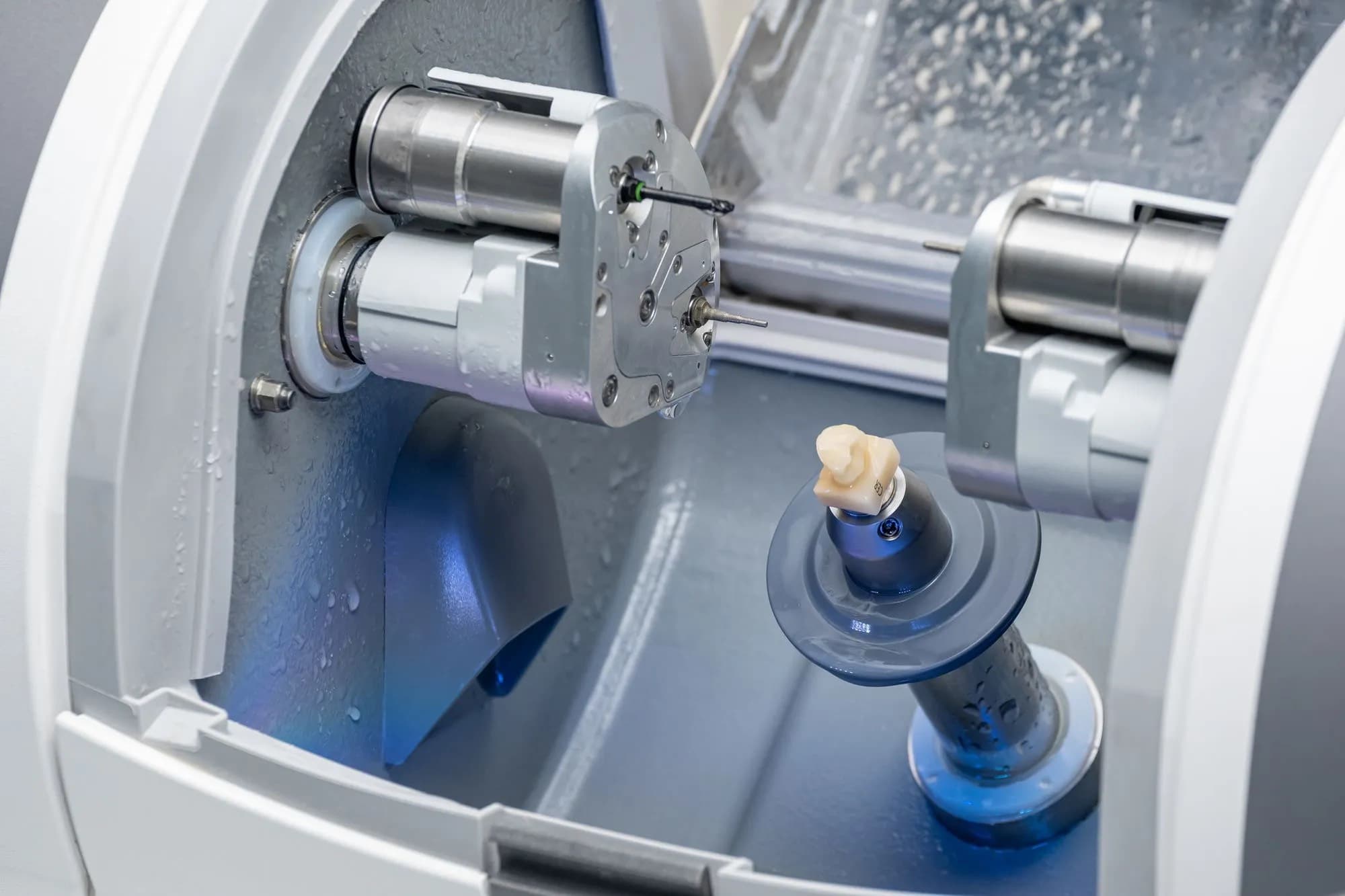
Figure 1. Veneer treatment is a combination of material, design, bonding, and clinical skill.
| The 20-second answerThere is no single “best” one-day veneer block. VITABLOCS Mark II has the fastest path from milling to polishing. Rosetta SM and IPS e.max CAD add a crystallization step but provide higher manufacturer-published flexural strength. All three can fit a same-day workflow when the case is suitable and the clinic has the equipment, time, and bonding protocol to do it properly. |
Planning a One Day Veneer in Korea? Don’t Choose by Clinic Name Alone
Same-day veneers sound simple: walk in with your current smile and leave with a new one. Behind that promise, however, are several decisions most patients never see — especially the ceramic block.
A one-day veneer is not a single product. It is a tightly coordinated digital workflow: scan, design, mill, crystallize or polish, try in, adjust, and bond. The material changes both the timeline and what the clinical team must do well.
Here is the useful version: what each material does well, what it cannot promise, and what to ask before you book.
Can Veneers Really Be Finished in One Day? Yes — But Only If the Case Fits
Yes, a one-day appointment can work. The important word is “can.” Your gums, enamel, bite, tooth position, shade goals, and the clinic’s in-house equipment all need to support the plan.
- The clinic should still diagnose decay, cracks, gum inflammation, grinding, and bite problems.
- A digital preview can help, but the dentist must confirm how much enamel can be preserved.
- The number of teeth that can be completed safely depends on the clinic’s equipment, team, finishing time, and the complexity of your case.
- If the case needs more planning, temporaries, gum treatment, orthodontics, or laboratory layering, a second visit may be the better choice.
| Quick reality check“One day” describes timing. It does not describe material quality, tooth preservation, or the dentist’s skill. |
The Strongest Block Is Not Automatically the Best Block, But It Showed Less Complications Rate
Flexural strength tells us how a ceramic resists bending in a laboratory test. It is useful, but it is not a countdown clock for your veneers. Manufacturers may use different test methods, specimen shapes, finishing protocols, and quality-control standards.
In your mouth, the veneer works as a bonded team: enamel + adhesive + cement + ceramic. A well-planned veneer made from a lower-strength ceramic can perform very well, while a stronger block can still fail when the bite, preparation, or bonding is poor.
1. VITABLOCS Mark II: When Speed and Translucency Lead the Decision
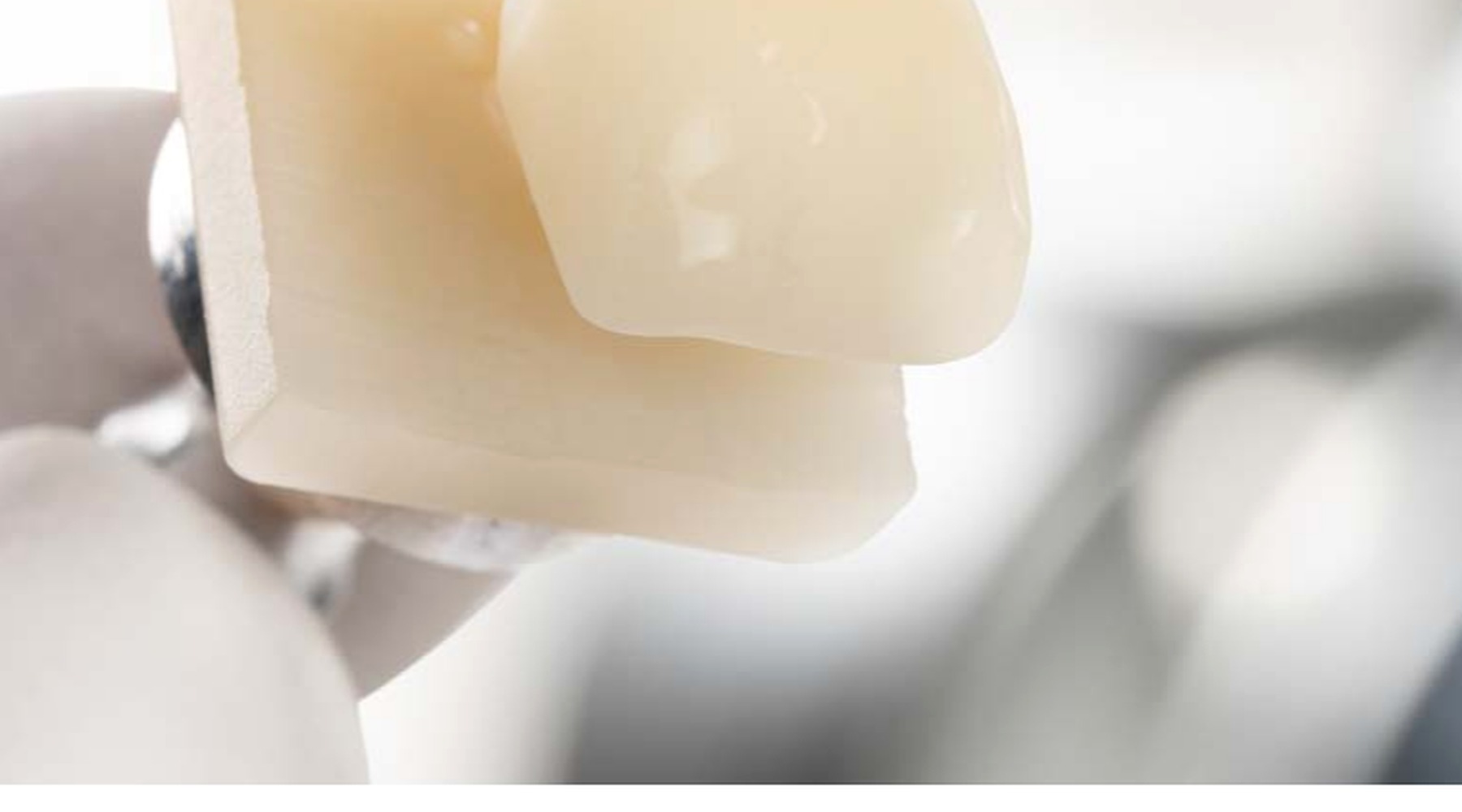
Figure 2. VITABLOCS product documentation. Product image © VITA Zahnfabrik; shown for editorial identification. Official technical data
VITABLOCS Mark II is a fine-structure feldspathic CAD/CAM ceramic. VITA’s technical data lists a Schwickerath flexural strength of 136 ± 20 MPa under ISO 6872.1
Its biggest one-day advantage is simple: no crystallization firing is required. After milling, the restoration can be polished directly. The dentist may still add characterization or glaze when extra color and surface detail are needed.
Why a patient might choose it: a shorter production path, natural translucency, and a conservative esthetic option for the right bite. The trade-off is lower published flexural strength than lithium disilicate, making case selection and bonding especially important.
2. Rosetta SM: A Korean Lithium-Disilicate Block Made for Digital Milling
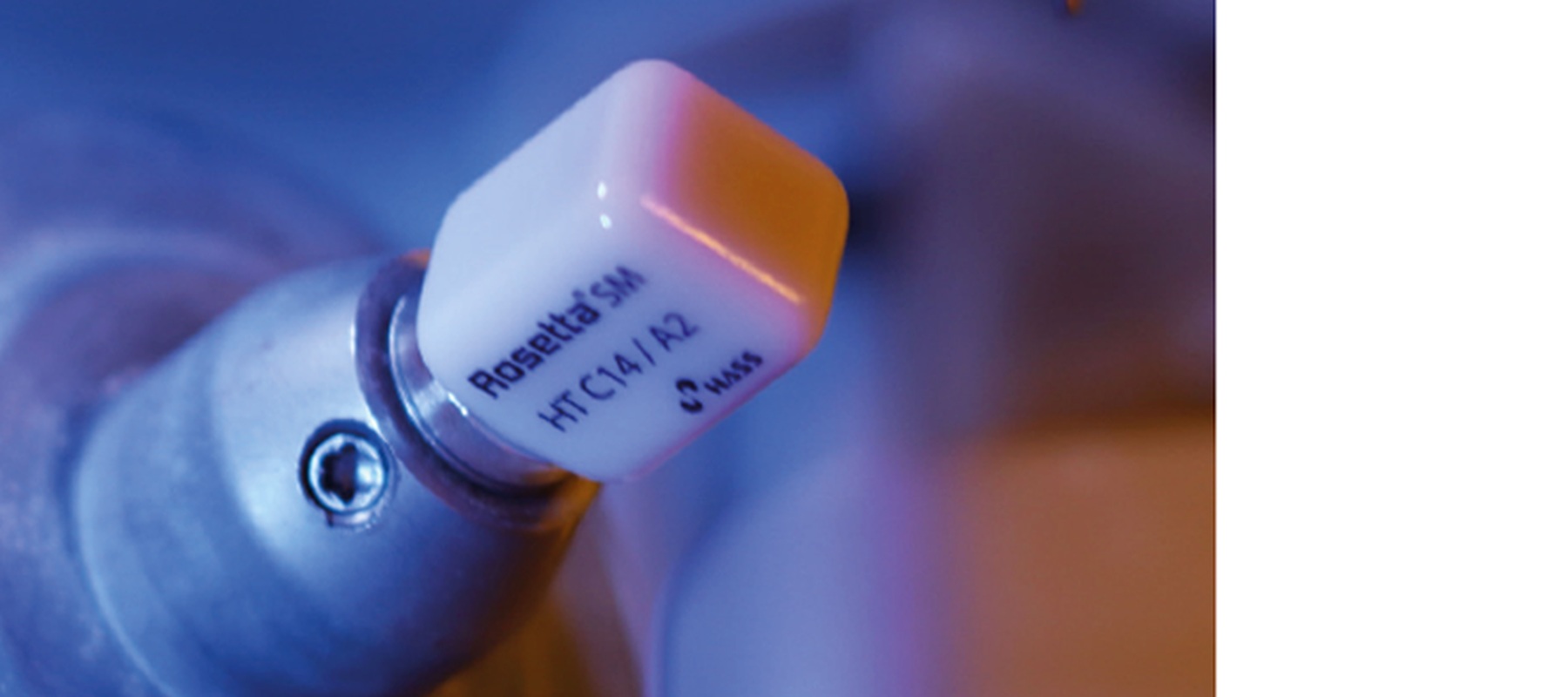
Figure 3. Rosetta SM CAD/CAM block mounted for milling. Product image © HASS Corp.; shown for editorial identification. Official product page
Rosetta SM is HASS’s lithium-disilicate CAD/CAM block. Before crystallization, HASS publishes a flexural strength of 200 MPa — a stage designed for efficient milling. After crystallization, the manufacturer lists 440 MPa.2
That before-and-after change is the reason Rosetta SM fits a one-day workflow. The clinic mills the softer pre-crystallized block, then fires it to develop the final strength, shade, and translucency before bonding.
Why a patient might choose it: lithium-disilicate strength, an established Korean manufacturer, and a practical balance between esthetics and cost. The important question is whether the clinic has enough time and in-house equipment to mill, crystallize, finish, try in, and bond it carefully on the same day.
| Why Rosetta SM fits a one-day workflowIt is a true CAD/CAM block: easy to mill in its pre-crystallized stage, then fired to reach its final 440 MPa manufacturer-published strength and final appearance. |
3. IPS e.max CAD: The Familiar Name — But the Workflow Still Matters
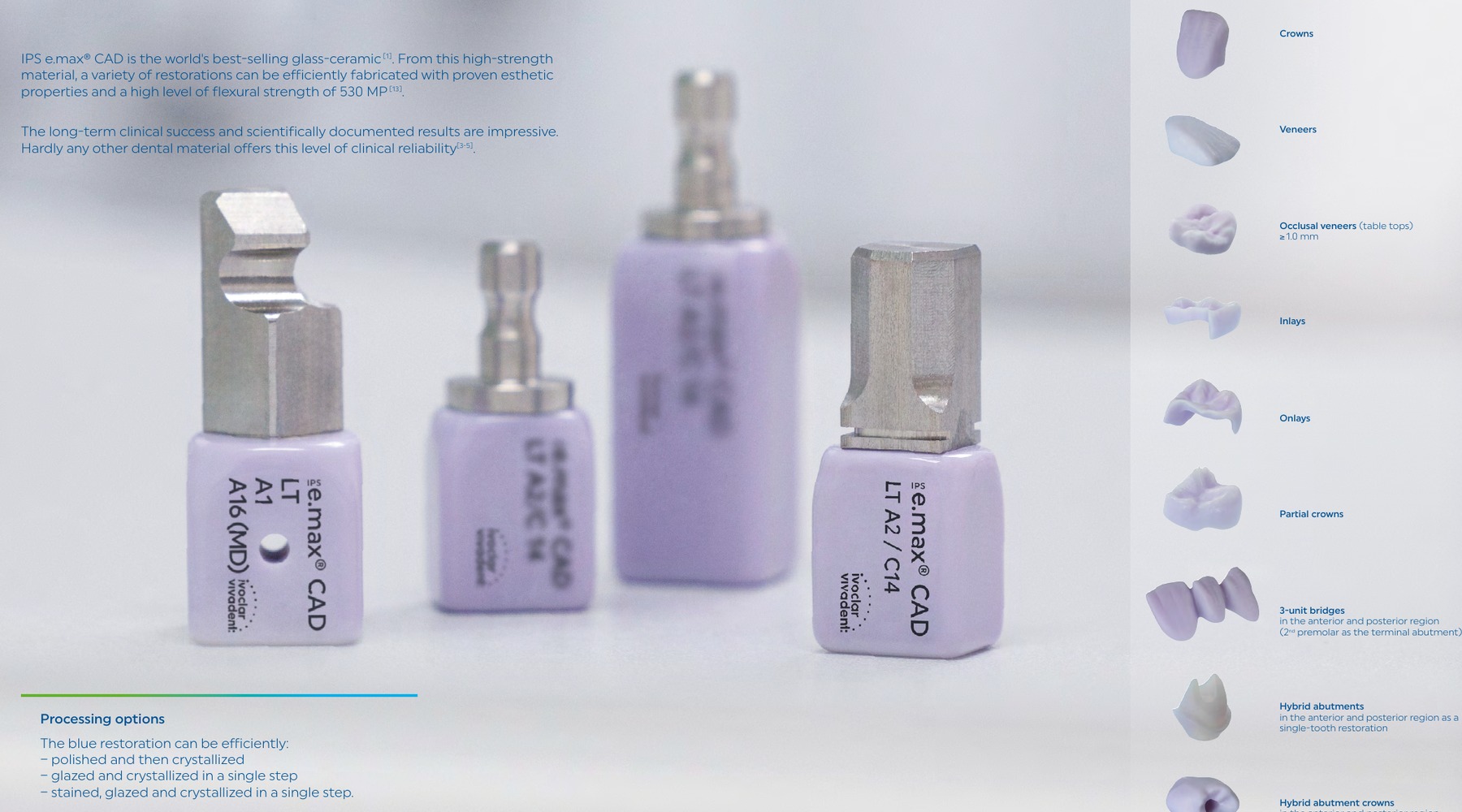
Figure 4. IPS e.max CAD blocks and indications. Product image © Ivoclar; shown for editorial identification. Official product information
IPS e.max CAD is a lithium-disilicate glass-ceramic designed for CAD/CAM processing. Ivoclar currently lists a mean biaxial flexural strength of 530 MPa after crystallization.3 The block is milled in its partially crystallized “blue” state and then fired to reach its final shade and properties.
One common myth to skip: IPS e.max CAD is not classified as ZLS(Zirconia reinforced Lithium-disilicate) even though it contains 0-8% zirconia wt. It is still classified as lithium-disilicate glass-ceramic.
Why a patient might choose it: broad clinical familiarity, strong documentation, and a versatile shade and translucency range. Still, the brand name cannot replace careful crystallization, finishing, try-in, bite adjustment, and bonding.
Three Materials, One Clear Comparison
| Product | Bleaching Shades | Published flexural strength | One-day reality |
|---|---|---|---|
| VITABLOCS Mark II | Limited to BL2 / OM1C | 150 MPa | Milled; no crystallization required. Often the shortest production path. |
| Rosetta SM | BL1 - BL4, LT, HT | 440 MPa | Milled in-house, then crystallized and finished. |
| IPS e.max CAD | BL1-BL4, LT, MT, HT | 530 MPa | Milled in-house, then crystallized and finished. |
Strength note: these manufacturer-published values are not automatically “apples to apples.” Test method and specimen protocol matter, and flexural strength is not a clinical survival percentage.
What Actually Lasts in the Mouth — Not Just in a Lab Test
A 2025 systematic review and meta-analysis of 29 clinical studies reported pooled long-term survival of 96.13% for feldspathic veneers and 96.81% for lithium-disilicate veneers over a mean follow-up of 10.4 years. The survival difference was not statistically significant.
However, lithium disilicate showed lower pooled technical and biological complication rates in the long-term analysis. Klein et al. (2025) reported technical complication rates of approximately 41% for feldspathic porcelain and 6.10% for lithium disilicate.
That does not prove one named product is “97% successful for ten years.” The review pooled material categories, not one brand. Product, operator, preparation design, bonding substrate, bite, and follow-up all vary.
A separate retrospective study followed 197 CAD/CAM veneers made from VITA Mark II or IPS e.max CAD for up to 10 years. The materials showed comparable long-term survival, while the position of the veneer in the mouth affected the outcome.5 The lesson is useful: the MPa number is only one part of the decision.
| Evidence in one sentence Both feldspathic and lithium-disilicate veneers can perform well. The safest decision is the material-workflow combination that fits your teeth, bite, preparation, and clinic’s proven protocol. |
The Block Matters. These Five Things May Matter Even More
How much enamel can be preserved: Veneers are adhesive restorations. The quality and amount of available enamel can influence the bonding strategy and risk discussion.
Your bite and grinding habits: Edge-to-edge bite, heavy contact, or bruxism may change the design, material, number of teeth, and need for a night guard.
The preparation and veneer thickness: Very thin does not automatically mean safer. The dentist must create enough space for the chosen ceramic without unnecessary tooth reduction.
Isolation and bonding protocol: Moisture control, surface treatment, resin cement, light curing, and careful cleanup all affect the bonded system.
Finishing and long-term records: Polish, glaze, margins, bite adjustment, shade, block lot, and a digital design file can all matter if repair or replacement is needed later.
Before You Book, Copy These Eight Questions
- What is the exact manufacturer and product name — not just “porcelain” or “e.max-type”?
- Is the veneer milled in-house, and which CAD/CAM system is used?
- Does this material need crystallization, glazing, or laboratory layering?
- How much enamel do you expect to preserve on each tooth?
- How will you evaluate my bite and possible grinding?
- Who designs, mills, finishes, tries in, and bonds the veneers?
- Will you give me the material, shade, translucency, lot, and digital-design information?
- If one veneer chips or debonds after I leave Korea, what is the follow-up plan?
Pause If You Hear Any of These
- The clinic cannot tell you the exact block, shade, or translucency — or says all lithium-disilicate blocks are basically the same.
- The only reason given for a material is “it is the strongest.”
- A same-day deadline is promised before the dentist evaluates your bite, gums, and enamel.
- The quotation leaves out scans, temporaries, remakes, night guards, follow-up, or aftercare.
- You are encouraged to choose many veneers before discussing conservative alternatives.
So, Which Material Makes Sense for You?
For a one day veneer in Korea, VITABLOCS Mark II offers the shortest production path because it does not require crystallization. Rosetta SM and IPS e.max CAD are milled lithium-disilicate blocks that require crystallization before final finishing and bonding.
There is no universal winner. Choose the clinic that can explain why its material and workflow fit your enamel, bite, smile goal, treatment time, and follow-up plan — without hiding behind a brand name or a single strength number.
But if you ask me my personal preference, e.max CAD was the most frequently chosen one for me, due to it’s proven record of long-term survival rate, less technical complication rate, and wide-range of shades selections.
References
Medical and editorial disclaimer
This article is general educational information, not a diagnosis or treatment recommendation. Product names are used to explain material categories and workflows; inclusion is not an endorsement. Published strength values come from manufacturer documentation and may use different test protocols. A licensed dentist must evaluate your teeth, gums, bite, medical history, and treatment alternatives before care.
Sources
- 1. VITA Zahnfabrik. VITABLOCS Technical Data. Schwickerath flexural strength: 136 ± 20 MPa; ISO 6872.
- 2. HASS Corp. Rosetta SM product information. Manufacturer-published flexural strength: 200 MPa before crystallization and 440 MPa after crystallization.
- 3. Ivoclar. IPS e.max CAD product information. Mean biaxial flexural strength: 530 MPa after crystallization.
- 4. Klein P, Spitznagel FA, Zembic A, et al. Survival and Complication Rates of Feldspathic, Leucite-Reinforced, Lithium Disilicate and Zirconia Ceramic Laminate Veneers: A Systematic Review and Meta-Analysis. J Esthet Restor Dent. 2025;37(3):601–619. doi:10.1111/jerd.13351.
- 5. Sen N, Olley RC. Retrospective Evaluation of Factors Affecting Long-Term Clinical Performance of CAD/CAM Laminate Veneers. Int J Prosthodont. 2024;37(4):411–416. doi:10.11607/ijp.8499.
Found this useful?

Written by
Dr. Hosan Park
Columbia University-trained dental specialist, known by international patients for honest guidance, exceptional care, and lasting results.