
Written byDr. Hosan Park
Updated August 2026
In short
- Looking for a gum specialist? You should search for 'Periodontist' who specializes gum disease treatment such as periodontal disease or gingival recession.
Updated August 20, 2026 • Seoul Dental Travel Guide
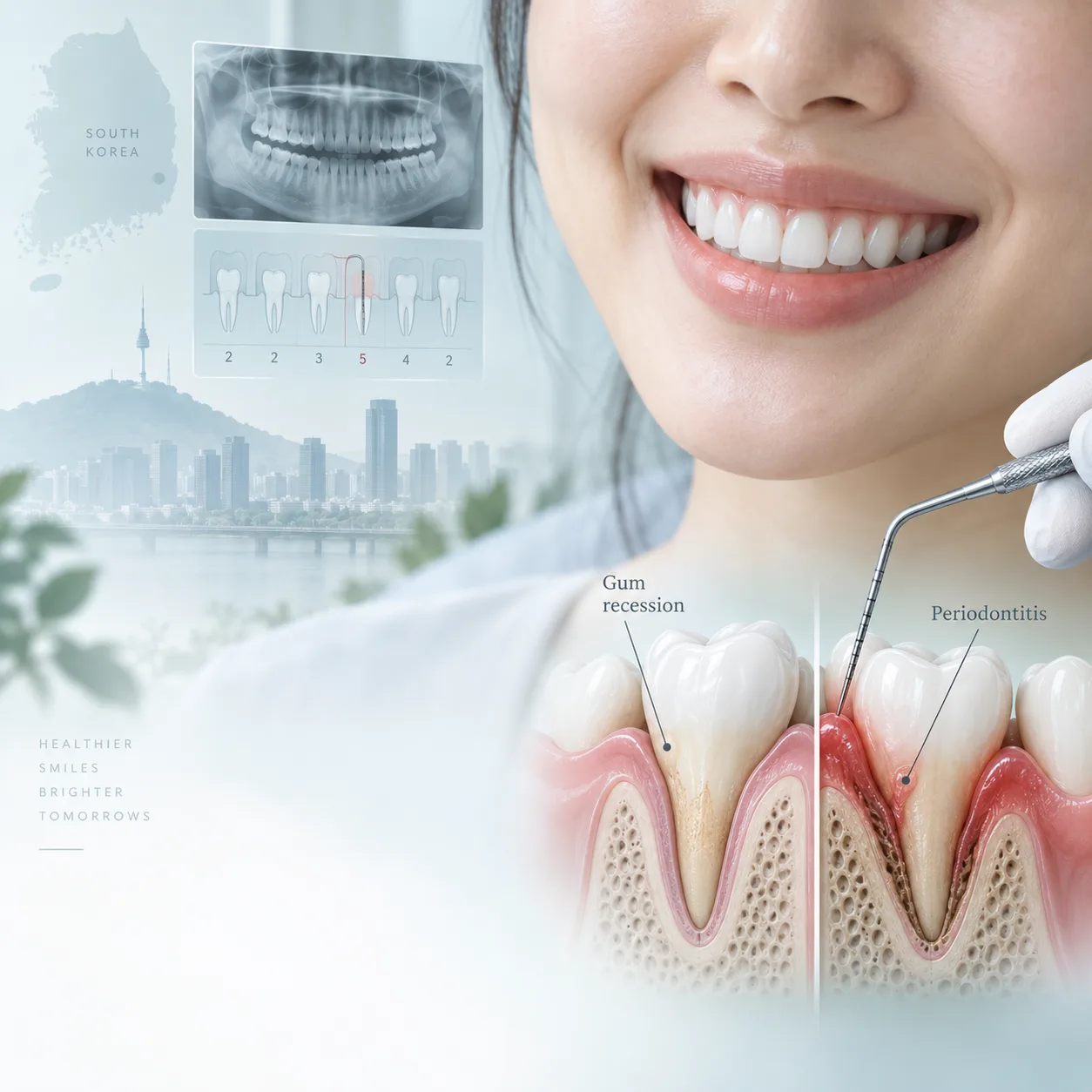
Foreign patients who contact clinics in Korea about their gums usually describe one of two concerns: the gumline has moved and the teeth look longer, or the gums bleed and feel unhealthy. These problems can overlap, but they are not interchangeable. A localized recession defect may need root coverage or restorative care, while periodontitis is an inflammatory disease that can damage the bone and other tissues supporting the teeth.
That distinction matters because treatment should be planned around the diagnosis, not around a technique advertised online. The right starting point is a clinician who can document gum levels, pocket depths, bleeding, bone levels, tooth position, root-surface damage, and the factors that may have caused the problem.
1. First Identify the Problem: Gum Recession or Periodontitis?
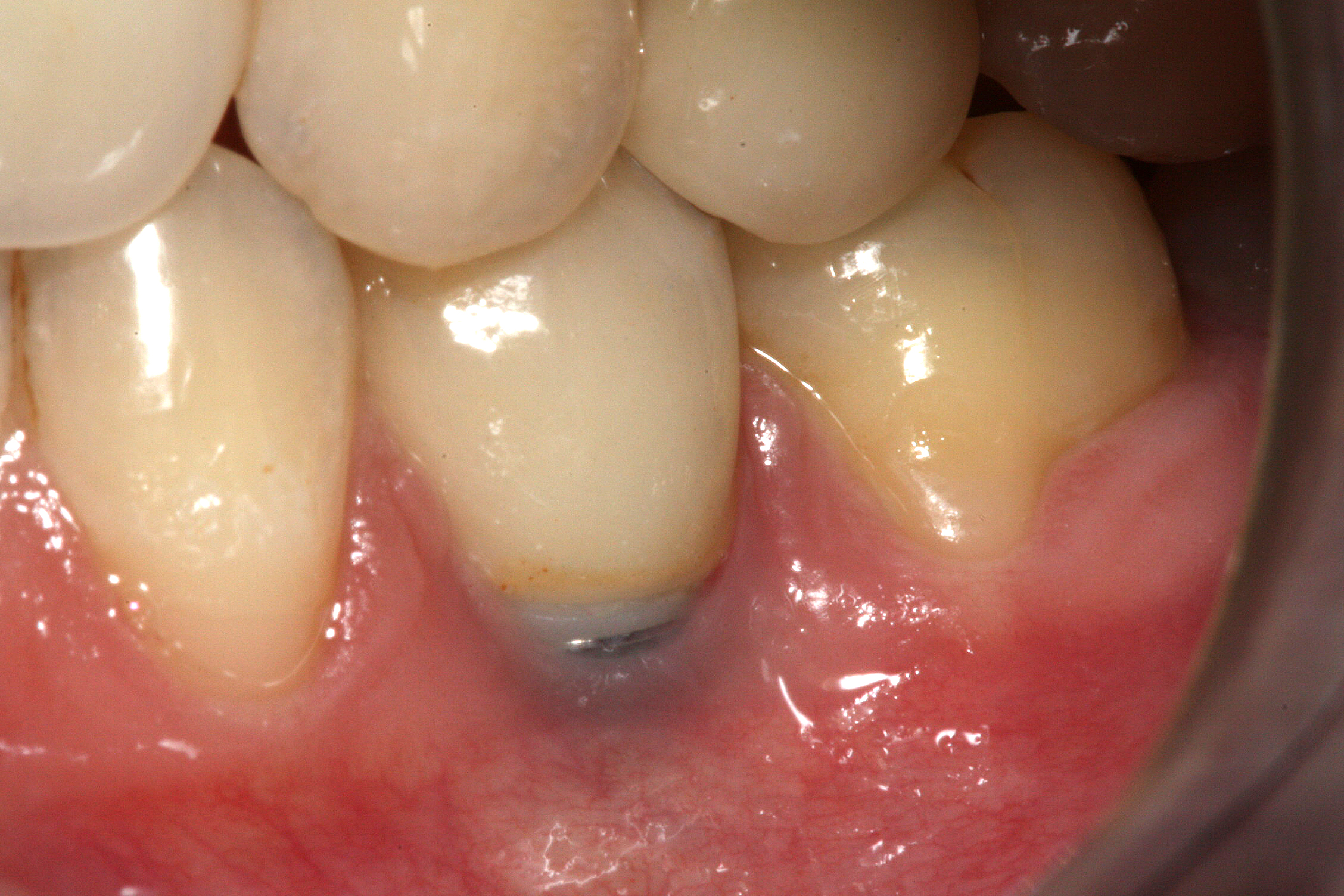
Clinical example of gingival recession around an implant. Image: Coronation Dental Specialty Group / Wikimedia Commons (CC BY-SA 3.0).
Gum recession means the gum margin has moved away from its previous position, exposing more of the tooth or root. Patients may notice sensitivity, a longer-looking tooth, a notch near the gumline, or an uneven smile. Recession can affect one tooth or many teeth and may occur even without active periodontitis.
Periodontitis is different. It involves inflammation and loss of the tissues that support the teeth. Warning signs may include bleeding, swelling, persistent bad breath, deep pockets, gum recession, tooth movement, or changes in the bite. Some patients have few obvious symptoms, which is why photographs alone are not enough for diagnosis.
A patient can have both conditions. Before choosing treatment, ask for a written diagnosis supported by:
- Full-mouth periodontal charting, including pocket depths and bleeding points
- Measurements of recession and attached or keratinized tissue
- Appropriate radiographs to assess bone levels and tooth prognosis
- Evaluation of plaque control, brushing habits, smoking, diabetes, bite forces, and tooth position
- Assessment of root wear, decay, existing fillings, and cervical lesions
2. Gum Recession Treatment Is More Than “Covering the Root”
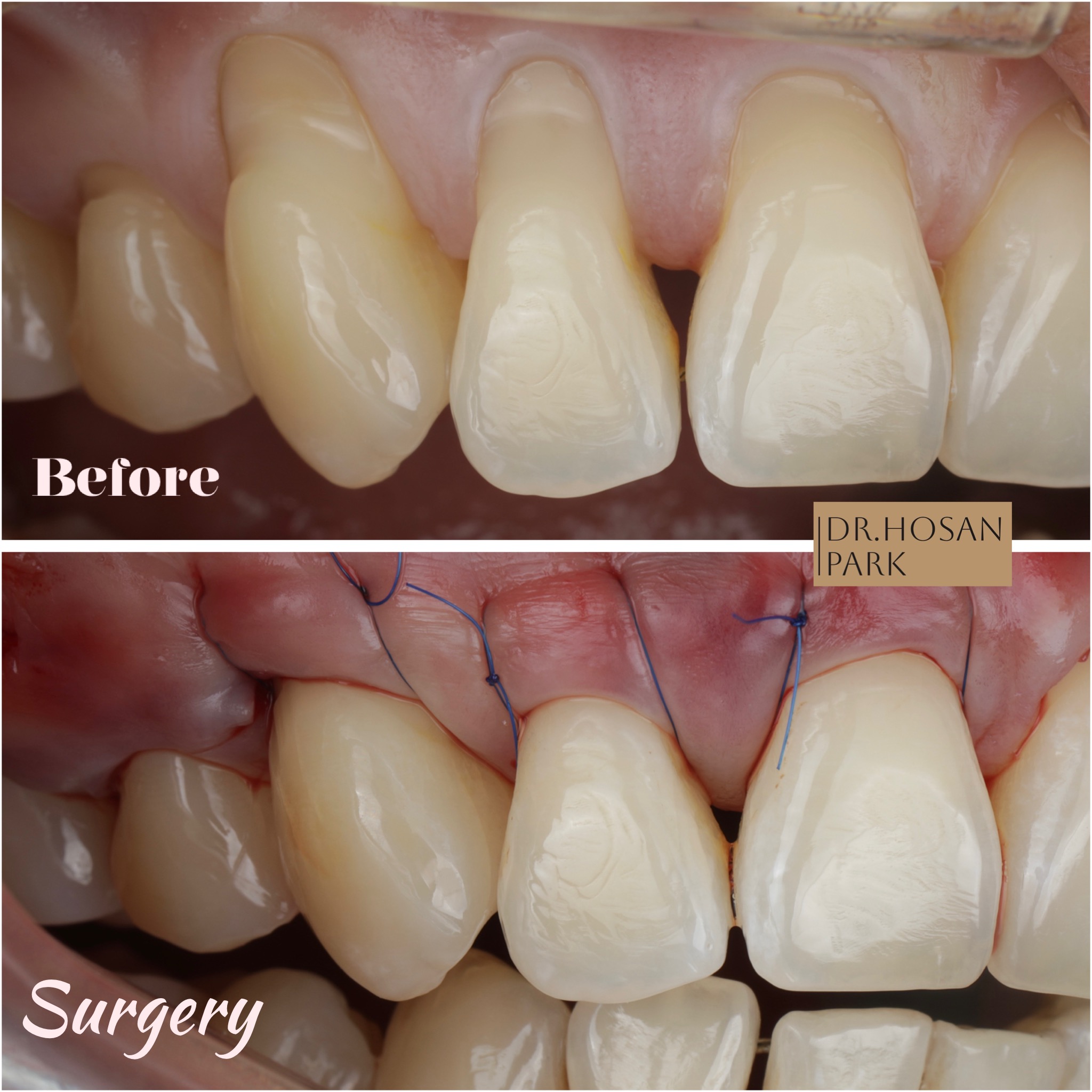
The treatment goal depends on why the gum receded and what the patient wants to improve. Sensitivity, aesthetics, cleansability, progression risk, and the amount of supporting bone all influence the plan. Not every exposed root requires surgery, and not every recession can be completely covered.
Control the cause first
Aggressive brushing, plaque-related inflammation, smoking, thin gum tissue, tooth position, orthodontic movement, frenum pull, and bite-related stress may contribute in different combinations. If these factors are not addressed, even technically successful treatment may be less stable.
Restorative treatment may help selected defects
A bonded composite restoration can protect a worn or notched root surface and may reduce sensitivity. It does not replace lost gum tissue, so the dentist and periodontist should coordinate when both a cervical restoration and a root-coverage procedure are being considered.
Periodontal plastic surgery may be appropriate
Root-coverage surgery can increase tissue thickness, improve the gumline, protect exposed roots, or create a more cleansable tissue zone. The expected amount of coverage depends on the defect, the interdental bone and soft tissue, tooth position, smoking status, plaque control, and surgeon experience.
3. Why Connective Tissue Grafting Remains the Reference Option
A subepithelial connective tissue graft, often shortened to CTG, usually uses tissue harvested from beneath the surface of the palate and places it at the recession site. Current European periodontal consensus continues to regard connective-tissue techniques as the leading reference for predictable root coverage and increased tissue thickness in appropriate cases.
The tradeoff is that CTG creates a second surgical site at the palate and the amount of available donor tissue is limited. When multiple teeth are involved, the surgeon may divide treatment into stages or discuss an alternative material.
Collagen matrices and donor materials
Collagen matrices and other donor-derived materials can avoid or reduce palatal harvesting. This may shorten surgery or reduce donor-site discomfort, particularly when several teeth are treated. However, the expected root coverage, tissue thickness, long-term stability, material source, and cost can differ. Ask for the exact product name and why it is suitable for your defect rather than accepting a generic phrase such as “artificial gum.”
ASK FOR A SITE-BY-SITE PLAN For each tooth, request the diagnosis, proposed technique, graft material, realistic coverage goal, alternatives, and what result would count as success.
4. Tunneling, Pinhole, and “Minimally Invasive” Techniques
Tunneling describes a family of flapless or limited-flap approaches in which tissue is mobilized through a tunnel beneath the gum, often with a connective tissue graft inserted underneath. The term “pinhole” is commonly used for a proprietary variation that is promoted as minimally invasive.
These labels can be useful when discussing how the surgery is performed, but they do not guarantee a particular outcome. A smaller incision does not automatically make a technique better for every recession. Defect anatomy, tissue thickness, blood supply, tooth position, the number of sites, and the clinician’s experience still determine whether the approach is appropriate.
If a clinic markets a specific technique, ask what conventional alternatives were considered, how many similar cases the treating clinician has completed, what percentage of root coverage is realistically expected, and how the result will be monitored after you leave Korea.
5. Periodontitis: Deep Cleaning Is Usually the Starting Point
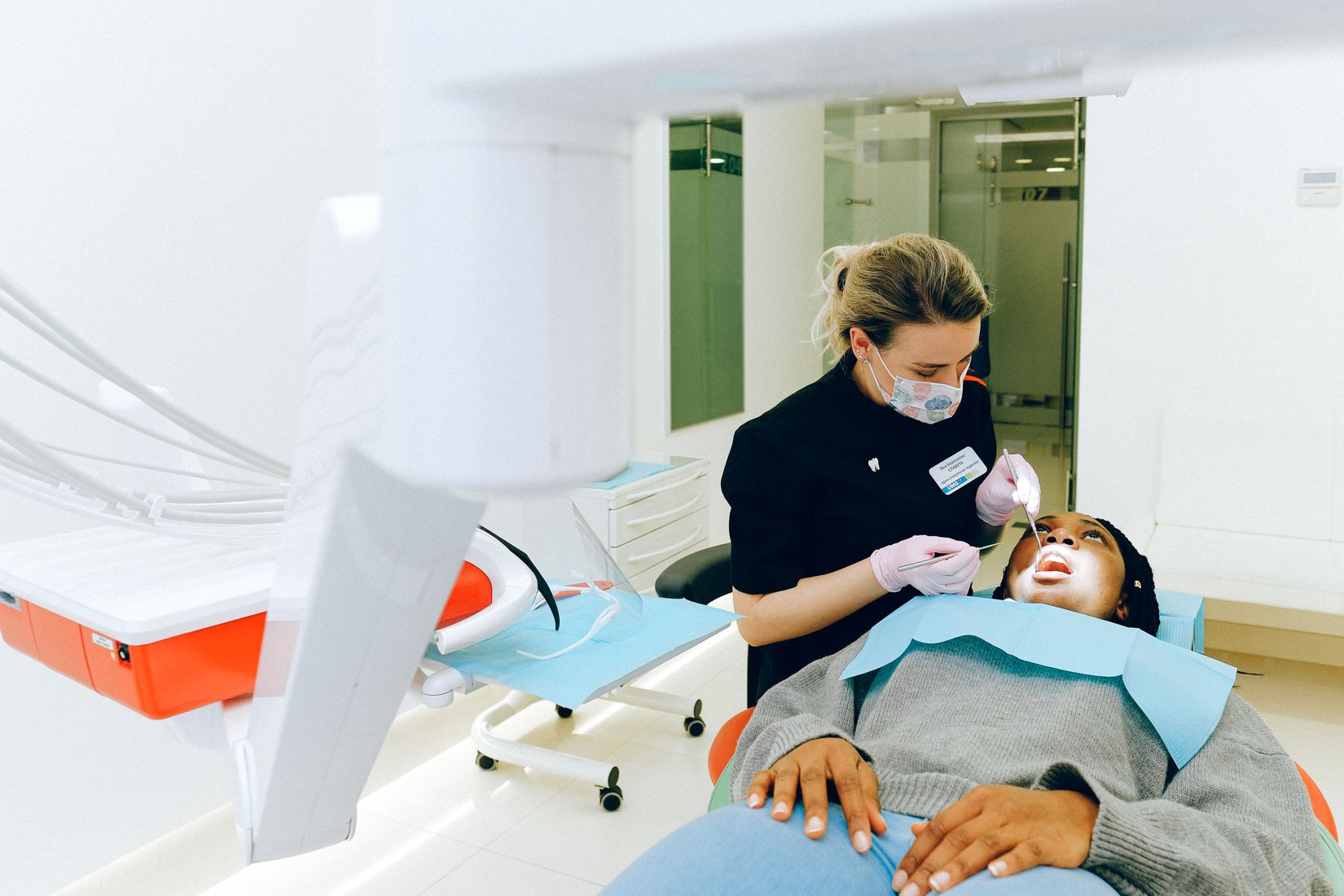
Periodontal treatment starts with diagnosis and careful instrumentation below the gumline when indicated. Photo: Anna Shvets / Pexels.
For periodontitis, the first active treatment phase commonly includes oral-hygiene instruction and subgingival instrumentation, often called scaling and root planing or deep cleaning. The clinician removes plaque, calculus, and bacterial deposits from below the gumline and debrides the root surfaces that cannot be reached with routine home care.
This is not the same as a routine cosmetic cleaning. Treatment may be divided by quadrant and may require local anesthesia. The number of visits depends on disease extent, patient comfort, and the clinic’s protocol. Many patients improve substantially with non-surgical care, but periodontal maintenance is usually necessary to preserve the result.
Re-evaluation determines the next step
After an appropriate healing interval, the clinician should remeasure pockets, bleeding, plaque control, mobility, and other risk indicators. Persistent deep pockets or complex bone defects may lead to additional treatment, such as:
- Repeat or site-specific subgingival instrumentation
- Pocket-reduction or osseous surgery
- Regenerative treatment using selected bone grafts, membranes, or biologic materials
- Management of tooth mobility or bite-related trauma
- Extraction when a tooth has a poor or hopeless prognosis
A treatment plan should explain which teeth are stable, questionable, or unlikely to be maintained. Extraction and implant placement should not be recommended only because a patient has limited travel time or because an implant package appears easier to price.
6. How Foreign Patients Should Plan Gum Treatment in Korea
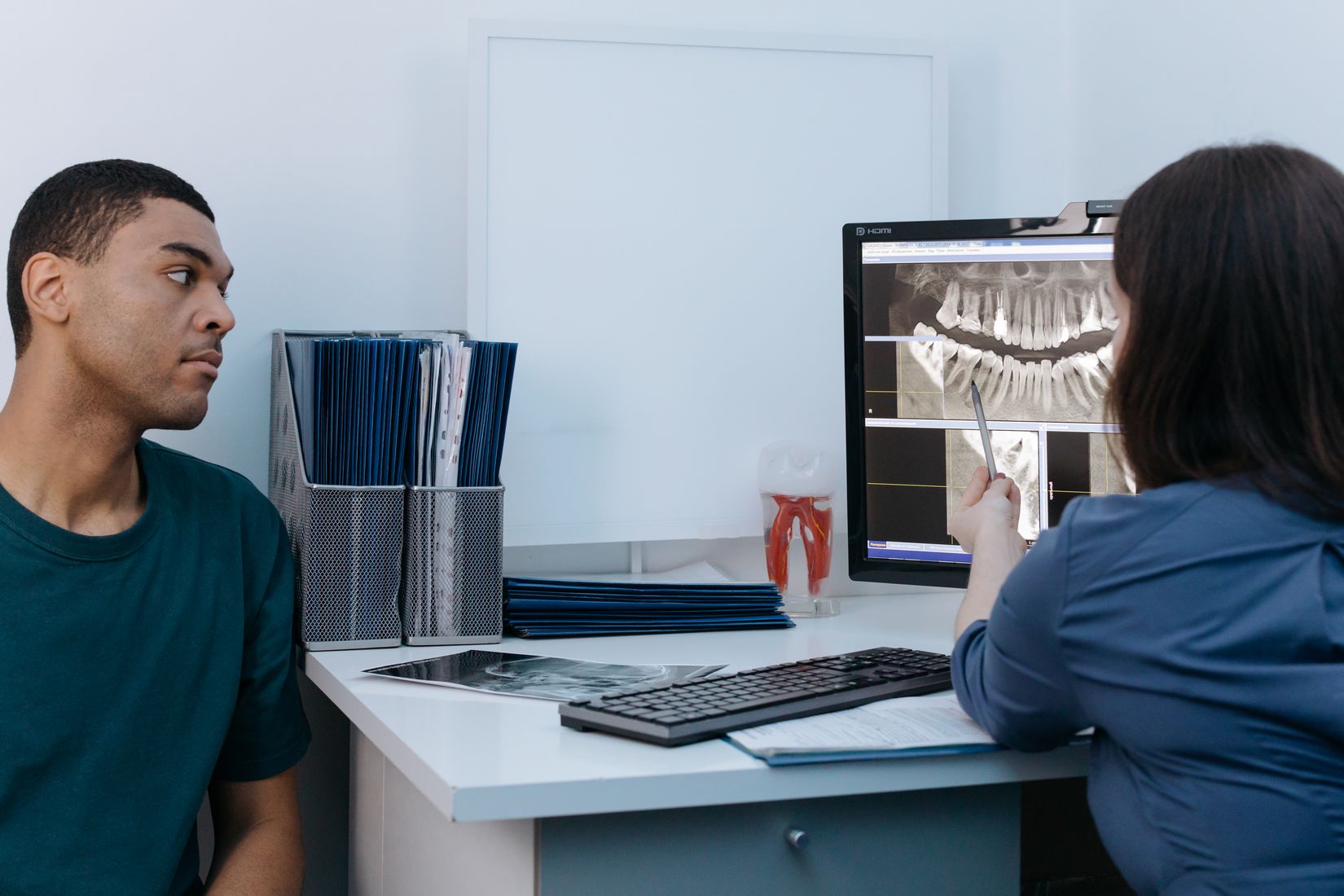
A foreign-patient plan should include records, options, risks, and a written handoff for care at home. Photo: cottonbro studio / Pexels.
Periodontal care is rarely a one-appointment transaction. Treatment in Korea can make sense when the clinician, technique, timing, and total cost are appropriate, but travel adds a handoff problem: the Korean clinic may perform the procedure while a dentist at home manages long-term monitoring.
Before traveling
- Send recent radiographs, clinical photographs, medical history, medication list, and any periodontal charting available.
- Ask whether the remote opinion is provisional and what findings could change the plan after examination.
- Confirm who will perform the procedure and whether that clinician focuses on periodontics or mucogingival surgery.
- Request an itemized estimate, cancellation terms, and a written explanation of what is not included.
During the Korea visit
- Allow time for diagnosis before committing to surgery on the first day.
- Review alternatives, expected coverage, material source, medications, and postoperative restrictions.
- Ask when the surgeon wants to review healing and whether sutures must be removed before departure.
- Keep flexibility in your travel schedule in case treatment is delayed or modified.
After returning home
- Provide your local dentist with the diagnosis, periodontal chart, radiographs, operative note, graft or biomaterial details, prescriptions, and follow-up schedule.
- Continue periodontal maintenance at the interval recommended for your risk level.
- Know how to contact the Korean clinic and what symptoms require urgent local care.
TRAVEL TIMING There is no single safe stay length for every gum procedure. Do not rely on a generic “five-day” or “two-week” rule. Ask the treating surgeon for a written minimum in-country window based on the exact operation, suture plan, medical risks, and access to follow-up at home.
7. How to Compare Prices Without Comparing the Wrong Things
A low headline price can be misleading if one clinic quotes only the procedure while another includes diagnosis, biomaterials, medication, and follow-up. In Korea, insurance eligibility and coverage can vary by residency status, diagnosis, treatment indication, and clinic billing. Ask the clinic to confirm your situation in writing rather than assuming that a service is covered or excluded.
For a meaningful comparison, request an itemized quote that identifies:
- Consultation, periodontal charting, photographs, and radiographs
- Surgeon fee and the name of the treating clinician
- Number of teeth or sites included
- Donor tissue, collagen matrix, allograft, membrane, or bone-graft material
- Sedation or anesthesia, prescriptions, dressings, and laboratory charges
- Postoperative checks, suture removal, emergency care, and remote follow-up
- Records and documentation for the dentist who will continue care at home
PRICE RED FLAG Be cautious when a clinic promises the lowest price and the highest quality without examining you. Periodontal outcomes depend on diagnosis, case selection, clinician skill, patient risk factors, and follow-up—not on price alone.
8. Ten Questions to Ask Before Booking
- What is my diagnosis? Please separate recession, gingivitis, periodontitis, root wear, and implant-related soft-tissue problems.
- Who will perform the procedure? Ask for the clinician’s relevant training, treatment focus, and experience with similar defects.
- What records support the plan? Request periodontal measurements, photographs, and radiographic findings.
- Why is this technique appropriate? Ask why CTG, a collagen matrix, tunneling, restorative treatment, or observation was selected.
- What result is realistic for each tooth? Complete root coverage is not possible in every defect.
- What are the main risks and alternatives? Include donor-site discomfort, recession relapse, incomplete coverage, infection, sensitivity, and aesthetic mismatch.
- How many sites will be treated at once? The answer affects surgical time, donor tissue, recovery, and travel planning.
- What does the fee include? Get the number of sites, materials, medications, and follow-up terms in writing.
- How long should I stay in Korea? The treating surgeon should define the minimum window for examination, surgery, review, and suture management.
- Who manages me after I return home? Confirm the handoff records, recall interval, emergency plan, and communication channel.
Frequently Asked Questions
Can a gum graft cover every exposed root?
No. The potential for root coverage depends on the recession pattern, interdental tissue and bone, tooth position, root anatomy, previous restorations, risk factors, and surgical technique. Ask for a tooth-by-tooth prognosis rather than a universal promise.
Is deep cleaning the same as a routine scaling?
No. Routine scaling is preventive cleaning, while scaling and root planing or subgingival instrumentation is therapeutic treatment directed below the gumline for periodontal disease. The diagnosis and extent of instrumentation should be documented.
How long should I stay in Seoul after gum surgery?
The answer is procedure-specific. It depends on the number of treated sites, donor-site management, sutures, medications, medical risk, and whether a dentist at home can provide early follow-up. Build the trip around the surgeon’s written postoperative schedule, not a generic tourism itinerary.
Can full-mouth gum treatment be completed in one trip?
Sometimes, but “completed” should not mean “finished forever.” Periodontitis requires re-evaluation and maintenance, and extensive grafting may be staged. A good plan identifies what can safely be done in Korea and what must continue at home.
Bottom Line
For foreign patients, the most important first step is to identify whether the main problem is gum recession, periodontitis, or both. Connective tissue grafting remains a leading reference treatment for many recession defects, while selected collagen matrices, tunneling approaches, restorative care, or monitoring may be appropriate in other situations. For periodontitis, treatment generally begins with risk control and thorough subgingival cleaning, followed by re-evaluation and additional therapy only where needed.
Choose the diagnosis, clinician, and follow-up system before choosing the clinic package. The best treatment plan is one that remains understandable—and maintainable—after the patient returns home.
MEDICAL DISCLAIMER : This article provides general educational information and does not diagnose a condition, recommend a specific clinic, or replace an examination by a licensed dentist or periodontist. Treatment options, travel timing, fees, insurance coverage, and outcomes vary by patient and provider.
Clinical and Editorial Sources
- American Academy of Periodontology: Non-Surgical Treatments
- American Academy of Periodontology: Gum Disease Information
- American Academy of Periodontology: What Is a Periodontist?
- European Federation of Periodontology: Guideline on Treatment of Stage I-III Periodontitis
- European Federation of Periodontology: Gum Disease Treatment
- European Federation of Periodontology: Patient-Reported Outcomes and Gingival Recession
- European Federation of Periodontology: Collagen Matrix and Root Coverage
Image Credits and Reuse Notes
- Recession photo — Coronation Dental Specialty Group / Wikimedia Commons (CC BY-SA 3.0). View source
- Dental model and scaler — Cedric Fauntleroy / Pexels, Pexels License. View source
- Dentist treating a patient — Anna Shvets / Pexels, Pexels License. View source
- Dental X-ray consultation — cottonbro studio / Pexels, Pexels License. View source
The clinical and stock photographs are illustrative and do not depict ORA Korea partner clinics or imply endorsement by the people shown.
Found this useful?