It started as a cleaning
Most of the dental work people do in Korea was not the plan. Someone books a cleaning and an old filling turns out to be leaking. Someone asks about whitening and is told the gums need scaling first. Someone has been carrying a cracked molar for two years and finally has a fortnight in Seoul to deal with it.
That is the honest starting point for this page, and it is why it exists alongside the nine procedure guides rather than underneath them. The question is not which procedure to buy. It is what is actually healthy, what needs attention now, what can safely wait, and what needs a plan for after you fly home.
The basics
What this actually is
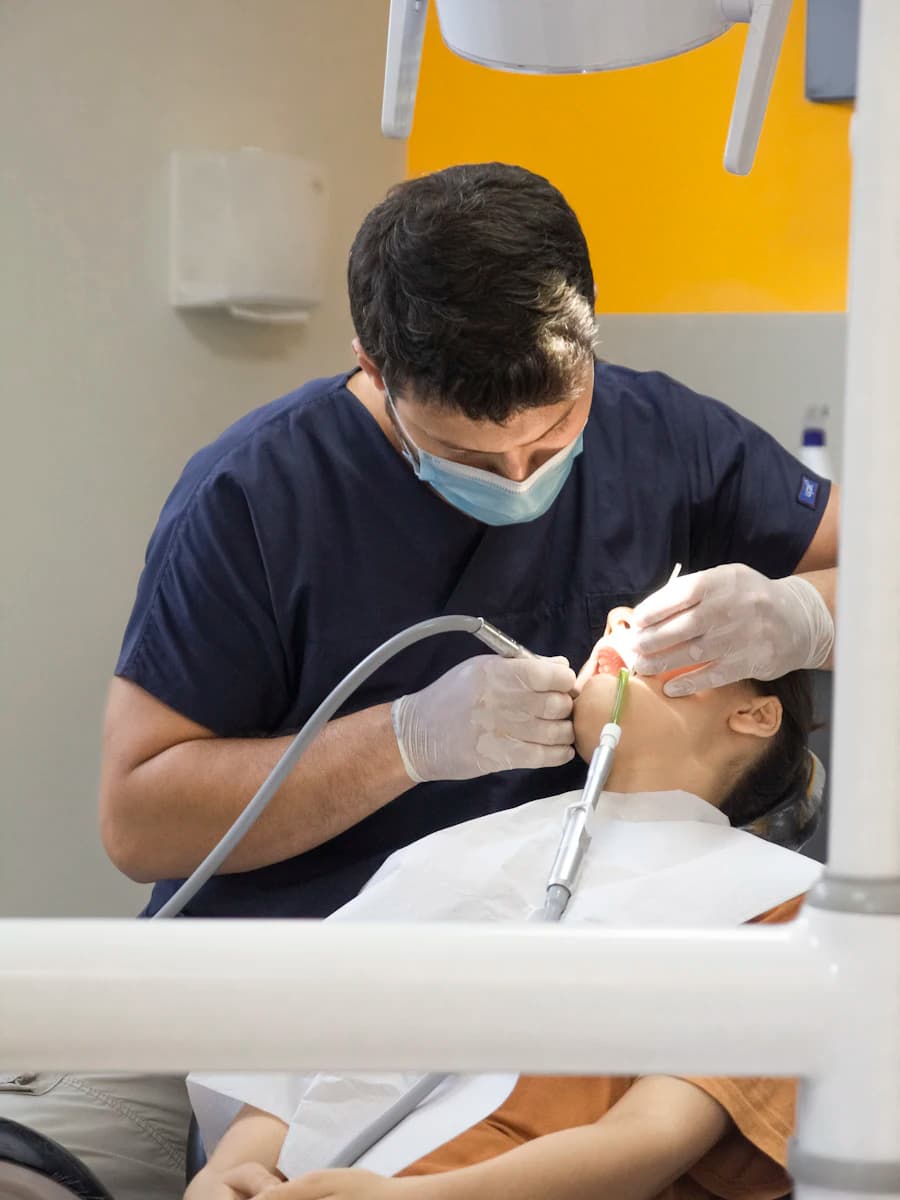
General dentistry is the foundation of long-term oral health: examinations, X-rays where they change the decision, cleanings, scaling, fillings, crowns, bite checks, gum evaluation and small repairs. It is the checkup that catches a cavity before it reaches the nerve, the scaling that stops gum inflammation getting worse, and the filling that protects a tooth before it cracks.
Some of it finishes in one appointment. A straightforward filling often can. Others need more planning — a crown has to be assessed, prepared, scanned or impressed, and made by a lab, and a tooth that needs a root canal first changes the sequence entirely. The difference between those two visits is worth knowing before you book a flight around either.
Ora does not treat anyone and does not arrange treatment. This page covers what routine care in Korea involves, what it costs, and what a clinic should be telling you. A remote look at your records helps you plan the trip; only an in-person exam decides the work.
Candidacy
Is this right for you?

Routine care suits almost anyone, and it is the sensible first appointment for a patient who has been away from a dentist for a while, who wants a second opinion on a quote from home, or who wants a baseline before deciding on anything cosmetic. If you have a specific symptom — a sensitive tooth, a gum that bleeds, a filling that feels wrong — that is a reason to be seen, not a reason to wait for a bigger plan.
It is a poor fit for one thing in particular: treating a trip as a deadline to finish everything. A visit that ends with a long list of work started and nothing scheduled to maintain it is worse than the visit you did not take. If a clinic cannot tell you what is urgent, what is preventive, what is cosmetic and what is simply being watched, you have learned something useful about the clinic.
Why Korea
Why routine care is often where a Korea trip starts

People think of Korea for veneers and implants, but everyday care is frequently the appointment that actually happens first, and it is where the cost gap is most quietly useful. Checkups, scaling, fillings and crowns can run meaningfully below prices in the US, Australia, Canada or much of Europe, and that difference is often what makes someone finally deal with care they have been deferring for years.
Seoul clinics also tend to be quick with imaging and diagnosis, so an exam, a cleaning and a simple restoration can genuinely fit into one visit. But the value is not the speed and it is not only the price. It is leaving the chair knowing what is stable, what is being watched, what should be treated soon, and what can wait for your dentist at home.
What to look for when you compare clinics
Ask what is urgent and what is not
A findings list is not a treatment plan. A clinic that separates urgent from preventive from cosmetic from watch-and-wait is doing the harder, more useful job.
Ask whether it finishes this trip
A filling usually can. A crown needs lab time, and a crown over a tooth that turns out to need a root canal needs more than that. Get the sequence before the appointment, not during it.
Ask what materials went in
Composite or ceramic, which crown material, which shade. You want this written down: your dentist at home will need it, and so will you at your next checkup.
Ask what happens if a filling feels high next week
New restorations often need an adjustment. Find out whether that is a five-minute visit before you fly, a coordinated fix at home, or nobody's job.
Before you go
Getting ready for the trip

Bring whatever records you already have. Recent X-rays, any treatment plan or quote from home, notes on existing crowns or implants, and a current medication list all let the clinic read your history faster than an examination alone can. Partial records still help.
Then decide what the appointment is for, because these are different visits: solving one problem, getting a second opinion on a quote, clearing a backlog of small work, or building a longer plan you will keep up over several trips. A checkup, cleaning, scaling or small filling fits a short stay comfortably. Crowns, gum treatment or anything involving pain may need more than one appointment — and if you fly out immediately afterwards, the clinic needs to know that before it starts, not after.
During
What actually happens
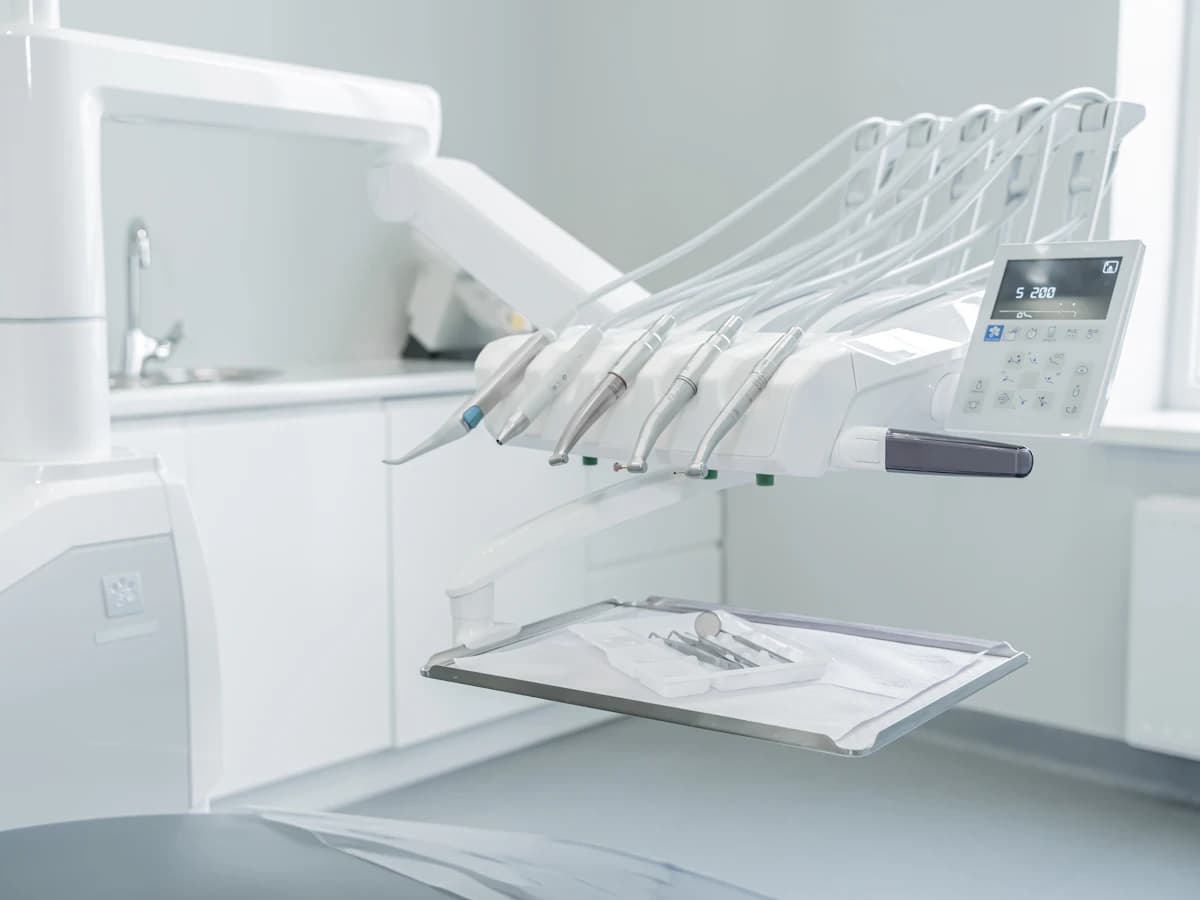
- 1
The conversation first
A good visit opens with symptoms, dental history and what you want looked at, rather than with an instrument. What you are worried about shapes what gets examined.
- 2
Examination and imaging
The dentist examines the teeth and gums and takes X-rays where they will change a decision. Gum measurements, a bite check or photographs may be added depending on the concern.
- 3
Findings, sorted
You should be told what is urgent, what is preventive, what is cosmetic and what only needs monitoring. Ask for that separation explicitly if it is not offered. It is the single most useful thing to leave with.
- 4
Cleaning and scaling
Cleaning is the broad term; scaling means removing hardened tartar from the teeth and the gumline. Some patients need simple scaling, others need deeper gum treatment, and those are not the same appointment.
- 5
Fillings, where the case is straightforward
Small and moderate cavities are often treated the same day. Deeper decay needs more evaluation, particularly if the nerve is involved, and may change the plan.
- 6
Crowns, which need a sequence
The tooth is assessed, the material chosen, the tooth prepared, then scanned or impressed and sent to a lab. If a root canal is needed first, that comes before any of it. Expect more than one appointment.
How do you know a clinic is any good?
Licence, sterilization, the lab, the follow-up plan. How to check each one from the other side of the world.
After
Afterwards, and how you'll feel

What aftercare looks like depends entirely on what was done. A cleaning asks for nothing beyond normal brushing and flossing. Scaling can leave gums sensitive for a few days. A new filling may feel slightly high or sensitive at first and sometimes needs a small adjustment. A crown needs its bite checked, its margins kept clean, and watching over the long term.
Before you leave the clinic, ask what was done, what materials were used, whether anything is expected to need adjustment, which symptoms are normal, which are not, and when your next checkup should be. Some follow-up belongs with your dentist at home, some can be handled remotely, and some patients simply book their next cleaning for their next Korea trip. Any of those work. Improvising does not.
The outcome
What to expect, and how long it lasts

The result of general dentistry is rarely dramatic and that is the point. A cavity is filled before it reaches the nerve. Gum inflammation settles instead of progressing. A cracked tooth is crowned rather than lost. Most of what this care achieves is the treatment you never end up needing.
Continuity is what makes it hold. Fillings, crowns, gum health and bite changes all need someone watching them over years, and a repair nobody maintains is not a finished plan. If you travel often, a Korean clinic can be part of your routine care rather than a one-off; if you live mostly abroad, your dentist at home still matters. The workable version is both, with records, X-rays and treatment notes moving between them and a clear understanding of who is watching what.
Questions
Questions people actually ask

Can I get a checkup and cleaning in one visit?
Usually, yes. Many clinics can do the examination, X-rays where needed, a cleaning and scaling in a single appointment.
Is scaling the same as cleaning?
Not quite. Cleaning is the broad term. Scaling specifically means removing hardened tartar from the teeth and the gumline. Some patients need simple scaling; others need deeper gum treatment, which is a longer and different appointment.
Can I get fillings done while I am in Korea?
Often, yes. Small and moderate cavities can frequently be treated the same day. Deeper decay needs more evaluation first, especially where the nerve may be involved.
Can I get a crown during a short trip?
Sometimes, but a crown needs more planning than a filling. The dentist has to check the tooth and the bite, choose a material, allow for lab time, and establish whether the tooth needs root canal treatment first. Ask about the sequence before you book your flights.
Is general dentistry in Korea cheaper than at home?
For many people, yes. Checkups, cleanings, scaling, fillings and crowns can run meaningfully below prices in the US, Australia, Canada or parts of Europe. The actual figure depends on the diagnosis, the materials, the clinic, and whether the case is simple or complex.
What if the dentist finds more problems than I expected?
That is common, and prioritisation is the thing to ask for. A good dentist will explain what is urgent, what is preventive, what is cosmetic and what can wait. Finding more than you expected is not on its own a reason to treat all of it on this trip.
Should I do all my dental work in Korea or keep some care at home?
It depends on the treatment and your schedule. Routine care can happen locally or on future Korea visits. Larger work needs a clear follow-up plan, particularly if you fly home soon after treatment.
Can Ora help coordinate follow-up?
Ora's role is to make sure you understand what was done, what needs monitoring, and whether follow-up belongs with a local dentist, can be handled remotely, or should wait for a future Korea visit. Ora does not treat anyone or arrange treatment.