Guide · Trust & quality
How Much Tooth Is Actually Shaved Down for Veneers?
The short answer is usually less than 1 millimeter, but the right amount depends on your enamel, bite, tooth position, and desired result.

Written byOra Korea Staff
Updated October 2026
4 min read
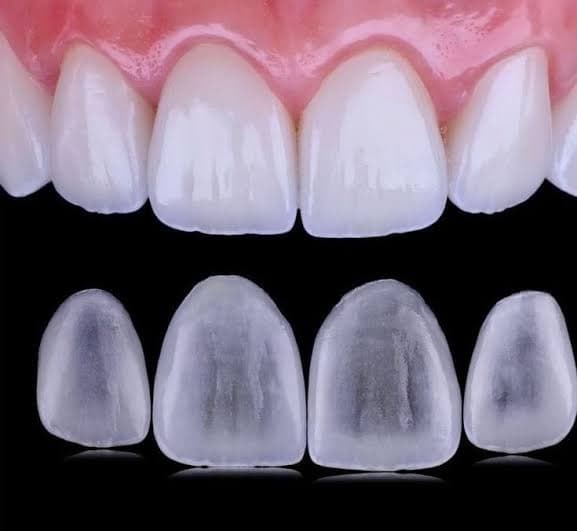
The images patients see online can make veneer preparation look dramatic. In reality, a well-planned veneer is intended to cover the visible front surface of a tooth while preserving as much healthy structure as possible. The exact preparation should be based on the final design, not on one standard measurement.
The short answer
For many conventional porcelain veneers, the facial surface is reduced by roughly 0.3 to 0.7 millimeters. That is approximately the thickness of a fingernail. Some carefully selected cases may need almost no preparation. Other cases may need more reduction to correct tooth position, disguise deep discoloration, or prevent the finished veneer from looking bulky.
The important question is not simply whether the tooth will be prepared. It is whether the dentist will remove only the amount necessary for your specific smile.
What the typical numbers mean?
Preparation depth varies across the surface of a tooth. The enamel near the gumline can be thinner than the enamel closer to the biting edge. If the veneer will change the length or cover the biting edge, additional preparation may be required there.
Clinical studies commonly describe facial reductions in the 0.3 to 0.7 millimeter range, with greater reduction at the biting edge when the design requires it. These figures are general planning ranges, not a prescription for every patient.
A dentist should ideally plan the desired shape first, then use that design to guide the preparation. This helps avoid removing too much enamel in one area while leaving another area too bulky.
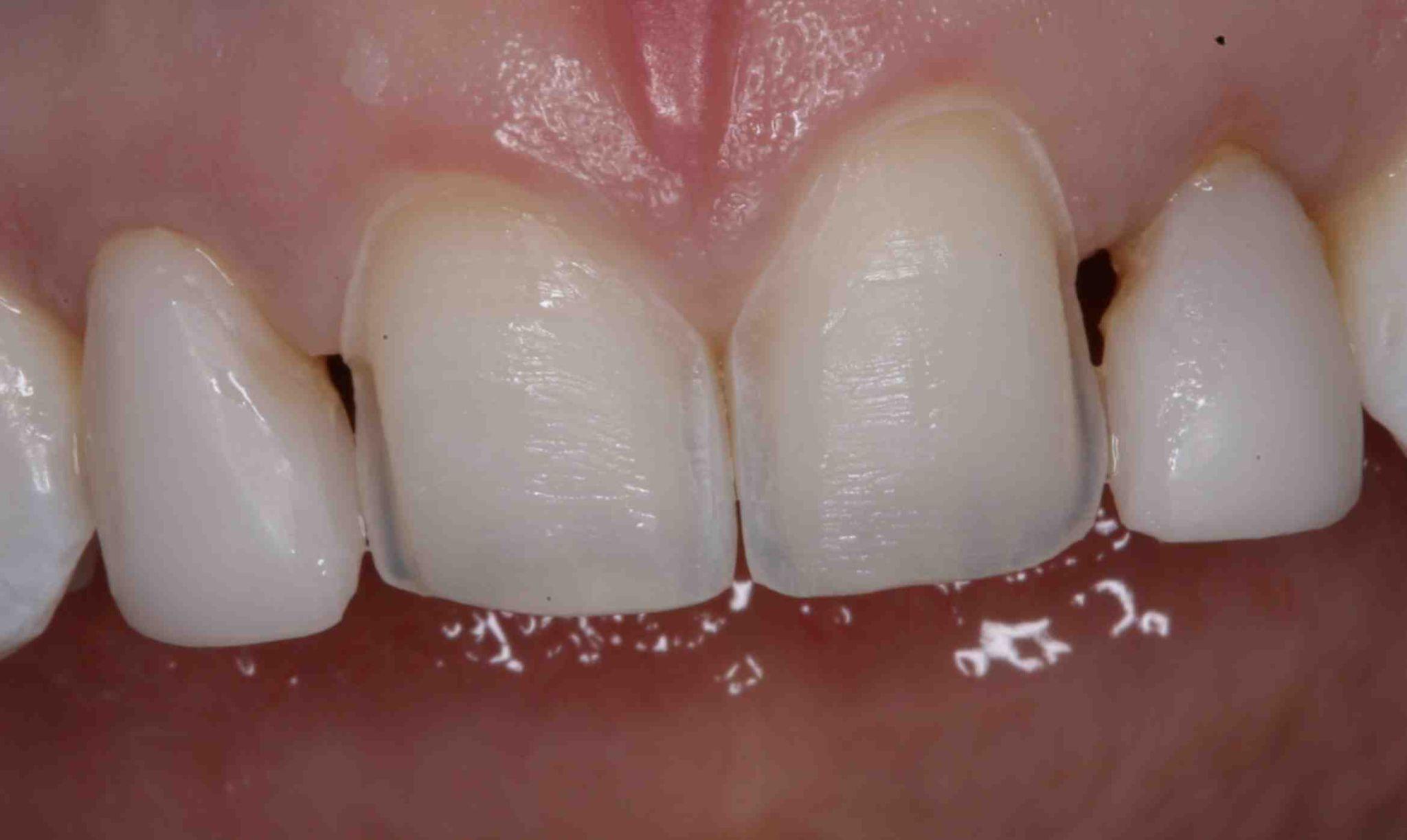
Why any enamel is removed?
A veneer needs physical space. Without enough space, adding ceramic to the front of an already full-sized tooth can create an overcontoured result. The tooth may look thick, project too far forward, or create an unnatural transition near the gums.
Preparation can also create a clear margin for the dentist and dental technician, improve the path of placement, and provide enough ceramic thickness to produce the planned color and shape.
The correct approach is not to avoid preparation at any cost. It is to create only the space required for a natural-looking and durable restoration.
Why preserving enamel matters?
Veneers are bonded to the tooth. Bonding is generally strongest and most predictable when the preparation remains primarily within enamel.
Enamel does not grow back. Once it has been removed, the tooth cannot return completely to its untreated condition. This is why most veneer treatment is considered irreversible.
Preserving enamel can support stronger bonding, reduce the risk of sensitivity, and leave more healthy tooth structure available for future treatment. It should be a central goal of cosmetic planning.
Are no-prep veneers really possible?
Yes, but only in selected situations.
No-prep or minimal-prep veneers are most appropriate when treatment is mainly additive. Examples can include a naturally small tooth, a tooth positioned slightly behind its neighbors, a small space, or a minor deficiency in shape.
They are less suitable when the teeth are already prominent, crowded, significantly discolored, or large. Simply adding ceramic in those cases can produce a thick or unnatural result.
Veneers are not the same as crowns
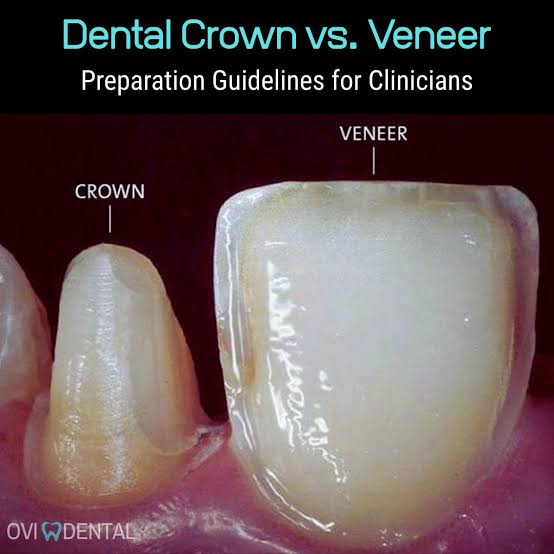
A veneer generally covers the front surface of a tooth and sometimes its biting edge. A crown surrounds substantially more of the tooth and normally requires more extensive reduction.
Some dramatic preparation images shared online may show crown preparations rather than conventional veneers. However, the word veneer does not automatically guarantee conservative treatment. Patients should ask which surfaces will be altered and how much enamel the proposed design is expected to preserve.
- Can I see cases that started with teeth similar to mine?
A mock-up is especially useful. It allows the proposed result to be evaluated before irreversible treatment begins and can help guide how much preparation is actually necessary.
Most porcelain veneers require some enamel removal, commonly measured in fractions of a millimeter. The appropriate amount may range from virtually none in a carefully selected additive case to more preparation when correcting position, shape, or deep discoloration.
Instead of asking only whether veneers are no-prep, ask:
What is the smallest, safest amount of treatment that can predictably achieve my goal?
A responsible cosmetic plan should improve the smile while preserving as much healthy tooth structure as possible. That tradeoff should be explained clearly before treatment begins. Veneers can create a beautiful result, but the most important question is not only how they look on day one. It is how much natural tooth needs to be removed, whether the plan is reversible, and whether the clinic is choosing the right material for your teeth. If you are considering veneers in Korea, Ora Korea can help you compare your options, understand what to ask before treatment, and choose a clinic that prioritizes long-term tooth health as much as the final smile.
Questions
How much tooth structure is usually shaved down for veneers?
For conventional porcelain veneers, the front surface is typically reduced by roughly 0.3 to 0.7 millimeters, about the thickness of a fingernail. Additional reduction may be necessary at the biting edge if the veneer changes tooth length.
Why does any enamel need to be removed for veneers?
Removing enamel creates necessary space so the ceramic does not look overcontoured, bulky, or project too far forward. It also provides a clear margin at the gumline and ensures sufficient ceramic thickness to mask discoloration.
Is veneer tooth shaving reversible?
No, enamel does not regenerate once it is removed, which makes veneer preparation permanent. Keeping the preparation primarily within enamel is essential for strong bonding and reducing post-treatment sensitivity.
Who is a candidate for no-prep veneers?
No-prep veneers are suitable only for additive cases, such as naturally small teeth, minor gaps, or teeth positioned slightly behind adjacent teeth. They are not recommended for teeth that are already prominent, crowded, or heavily discolored.
Sources
Found this useful?
